


From rising energy bills to a closing VAT window, Senergy Direct explains why this year is a turning point for solar in Essex.
2026 has been a turning point for energy in the UK. The conflict in the Middle East has pushed wholesale gas prices sharply higher, and Ofgem’s energy price cap rose by 13% on 1 July, taking the typical household bill from £1,641 to £1,862 a year. At the same time, solar panels and batteries are still benefitting from a 0% VAT rate, but that window is closing, and balcony “plug-in” solar has been making headlines as the government fast-tracks new rules.
For homeowners across Essex, all of this adds up to one question: is now genuinely a good time to install solar, or is it just noise in the news cycle? In this guide, Senergy Direct breaks down exactly what’s changed, what it means in pounds and pence, and why most of our customers are choosing to self-fund or finance their installation now rather than wait on slow-moving schemes.
Whether you’re weighing up the numbers for the first time or you’ve been considering solar for a while and want to know if 2026 is the year to commit, this article covers the practical questions Essex homeowners are actually asking.
In This Guide We Answer:
- Why are so many Essex homeowners considering solar panels right now?
- How much will the July 2026 energy price cap rise actually cost Essex households?
- What is the 0% VAT deal on solar panels, and how long is it available for?
- Is it better to buy solar panels outright, or spread the cost with finance?
- Why are most Essex homeowners going straight to self-funding or finance rather than waiting on government schemes?
- What is “plug-in” solar, and could it work for my Essex home?
- How much could solar panels actually save an average Essex household on energy bills?
- Does Essex get enough sunshine for solar panels to be worthwhile?
- What size solar system does a typical Essex home need, and what does installation involve?
- What should I check before choosing a solar installer in Essex?
1. Why are so many Essex homeowners considering solar panels right now?
Search interest in solar has climbed sharply since the start of 2026, and it’s not hard to see why. Energy suppliers including Octopus Energy have reported a significant jump in enquiries since the Middle East conflict began driving up wholesale gas prices, and that’s filtering straight through to household bills.
On top of that, solar has been in the news for other reasons too. The government has been pushing through new rules to allow low-cost “plug-in” balcony solar, major retailers have been backing the move, and the Future Homes Standard means most new-build properties will soon come with solar as standard. None of this is hype — it reflects a genuine shift in how UK households are thinking about energy security and rising costs.
For homeowners with a roof that gets decent daylight, a full solar PV system remains by far the most effective way to take advantage of this shift, generating far more usable electricity than any plug-in kit on the market.
| Senergy Tip | Installer diaries fill up fast once a story like this hits the news. If you’re seriously considering solar for 2026, get your site survey booked early rather than waiting until autumn. |
2. How much will the July 2026 energy price cap rise actually cost Essex households?
From 1 July 2026, Ofgem’s energy price cap rose by 13%, taking the typical dual-fuel household bill paying by Direct Debit from £1,641 to £1,862 a year — an increase of £221. Electricity prices rose by around 5%, while gas rose by a steeper 24%, driven by higher wholesale gas costs linked to the conflict in the Middle East.
This isn’t a one-off either. Ofgem reviews the cap every three months, and further increases haven’t been ruled out for the rest of 2026. For homeowners on a standard variable tariff, that means your exposure to global energy price swings is ongoing — unless you start generating some of your own electricity.
| Senergy Tip | The price cap applies to gas and electricity combined, but solar panels only offset your electricity usage. If electricity makes up the bulk of your bill, that’s where the biggest savings opportunity sits. |
3. What is the 0% VAT deal on solar panels, and how long is it available for?
Right now, solar panels and battery storage qualify for a 0% VAT rate on both the equipment and the installation labour, as long as the work is carried out by a certified installer. This applies across England, Scotland and Wales, and it’s available to every homeowner — there’s no means-testing or eligibility criteria to meet.
The catch is that this rate is time-limited. The 0% VAT deal is confirmed to run until 31 March 2027, after which it’s expected to revert to the standard reduced rate of 5%. On a typical solar and battery installation, the VAT saving alone can come to somewhere between £1,000 and £2,000, depending on system size.
| Senergy Tip | Installation lead times mean the safest approach is to get your system specified and booked well before the deadline — leaving it until early 2027 risks missing the cut-off altogether. |
4. Is it better to buy solar panels outright, or spread the cost with finance?
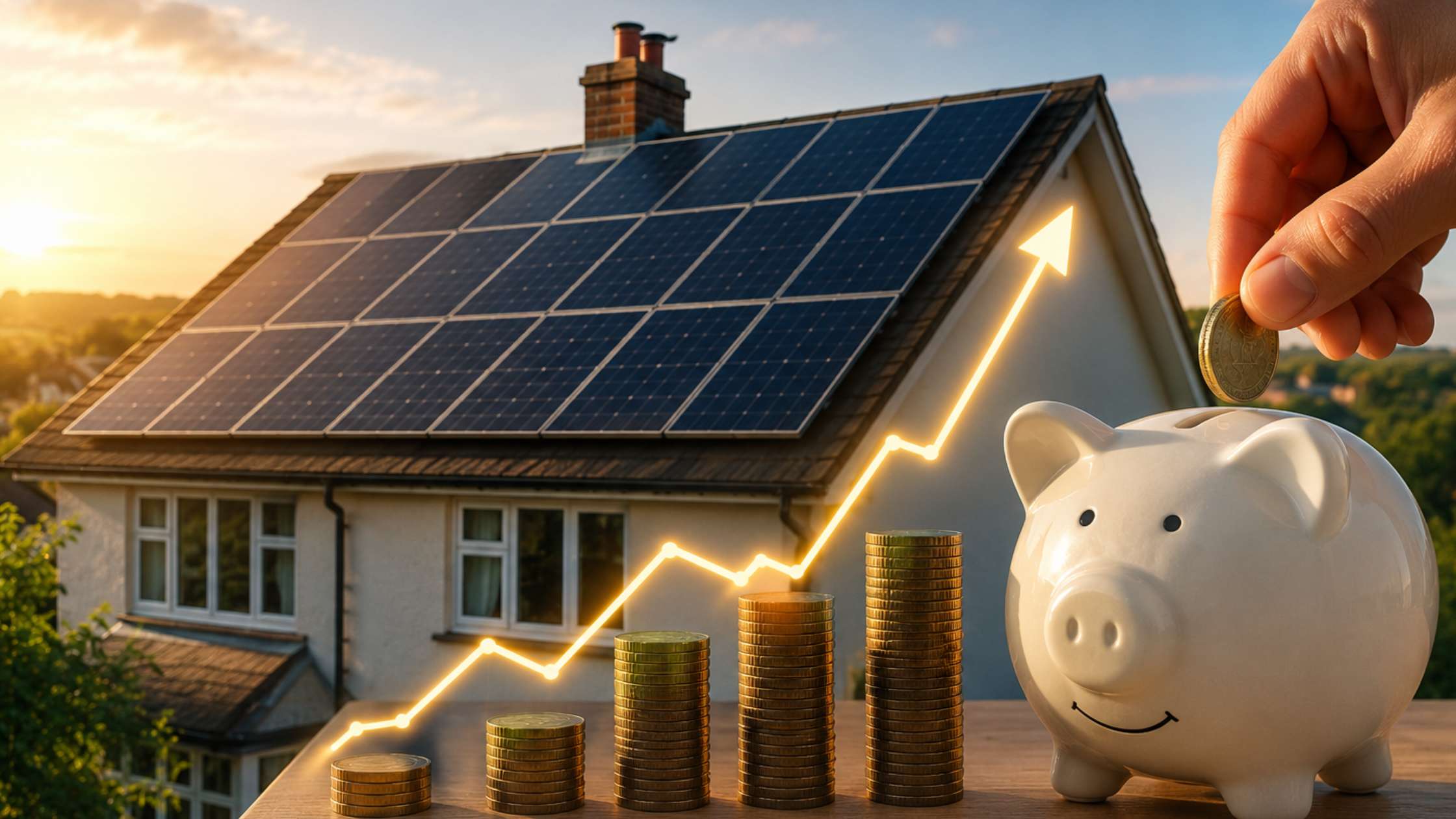
Both routes are common, and the right answer depends on your circumstances rather than one being objectively “better.” Buying outright means no ongoing repayments and the fastest possible payback, since every penny saved on your energy bill from day one is pure benefit rather than partly offsetting a monthly payment.
Spreading the cost with finance means a smaller upfront outlay, which is often the deciding factor for homeowners who don’t want to dip into savings. In many cases, the electricity bill savings a system generates can cover a meaningful chunk of the monthly repayment, so the system is effectively helping to pay for itself while you still own it outright from the day it’s installed.
| Senergy Tip | Whichever route you choose, the panels and any battery are yours from day one — finance simply changes how you pay for them, not who owns them. |
5. Why are most Essex homeowners going straight to self-funding or finance rather than waiting on government schemes?
It’s a fair question, especially since schemes like ECO4 get a lot of coverage. The reality is that government grant schemes are aimed specifically at low-income or vulnerable households, and they come with strict eligibility criteria — typically requiring you to be in receipt of certain benefits and to have a poor EPC rating. They’re also often oversubscribed, can involve a lengthy assessment process, and frequently bundle solar in with other works like insulation rather than letting you choose your own spec.
For homeowners who don’t meet that criteria — which is most Essex homeowners — self-funding or finance is simply the faster and more flexible route. There’s no waiting list, no assessment, and you get to choose exactly the system you want, including any battery storage. It also means you can move quickly enough to lock in the 0% VAT saving before it disappears in 2027, rather than waiting on a scheme timeline you don’t control.
| Senergy Tip | If you’re not sure which route suits you, ask about flexible finance options when you book your quote — it’s often the quickest way to get a system installed without missing the VAT deadline. |
6. What is “plug-in” solar, and could it work for my Essex home?
“Plug-in” or balcony solar refers to small, low-cost solar panels that can, in theory, be connected directly into a normal UK plug socket rather than being wired in by an electrician. It’s already common in parts of Europe, and the UK government has been consulting on new rules to allow it here, with major retailers including B&Q, Currys, Amazon and Lidl backing the move.
As of mid-2026, plugging a solar panel directly into a UK socket still isn’t legal — a British safety standard for certified plug-in kits hasn’t been finalised yet, though it’s expected later in the year. Even once it is, plug-in kits are designed for balconies, small outdoor spaces or flats without roof access, and they generate a fraction of the electricity a full rooftop system can.
Is it right for your home?
If you own your home and have a roof with reasonable daylight exposure, a properly installed rooftop PV system will generate significantly more electricity, qualify for the current 0% VAT rate, and can be paired with a battery — none of which plug-in kits currently offer.
| Senergy Tip | Plug-in solar is worth knowing about, but for most Essex homeowners with a roof, it’s a complement for the future rather than an alternative to a proper installation now. |
7. How much could solar panels actually save an average Essex household on energy bills?
Savings depend on your system size, your usage pattern and how much you export back to the grid, but the numbers are generally compelling. A 4.5kW system, suitable for a typical 3-bedroom home, costs in the region of £7,300 before any VAT saving, and can meaningfully reduce your electricity bill depending on how much of your usage happens during daylight hours.
Any electricity you generate but don’t use can be sold back to your supplier through the Smart Export Guarantee (SEG), which has been running since 2020. Adding a battery increases how much of your own generation you use yourself, rather than exporting it cheaply and buying it back later at a higher rate — which is where a lot of the strongest long-term savings come from.
| Senergy Tip | Ask your installer for a personalised savings estimate based on your actual roof orientation and household usage — generic averages can be a long way off for an individual home. |
8. Does Essex get enough sunshine for solar panels to be worthwhile?
Yes — solar panels generate electricity from daylight, not direct heat, which means the South East, including Essex, performs well thanks to higher-than-average annual sunshine hours compared to much of the rest of the UK.
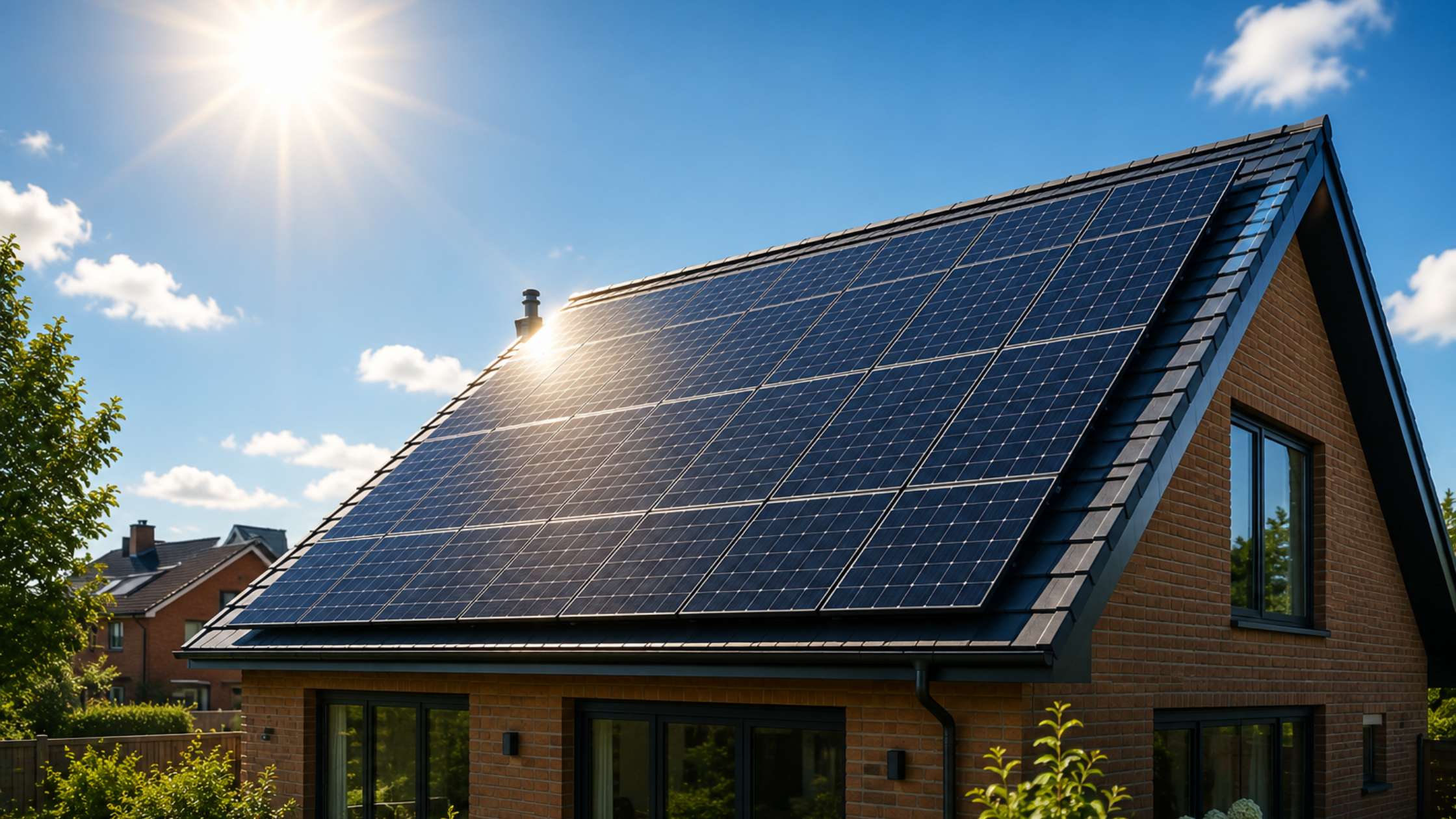
A south or west-facing roof with no significant shading is the ideal setup, but it’s far from the only option that works. East and even north-facing roofs can still generate a worthwhile return, particularly when paired with a battery to make the most of whatever is generated through the day.
| Senergy Tip | Don’t rule out solar based on roof direction alone — get a proper site assessment, since shading, pitch and roof size often matter more than orientation. |
9. What size solar system does a typical Essex home need, and what does installation involve?
Most 3-bedroom Essex homes are well suited to a system in the region of 4–4.5kW, while larger 4 or 5-bedroom properties with higher energy use often move up to 5–6kW. The right size for your home depends on your roof space, your typical electricity usage, and whether you’re planning to add a battery.
What installation actually involves
- A site survey to assess your roof, shading and electrical setup
- Scaffolding and panel mounting, usually completed within a single day for a standard home
- Inverter installation and connection to your home’s electrical supply
- Testing, commissioning, and MCS certification so the system is properly registered
| Senergy Tip | Most standard domestic installations are completed in a single day, with minimal disruption to your home. |
10. What should I check before choosing a solar installer in Essex?
Solar has attracted a fair amount of doorstep and cold-call sales activity over the past few years, so it’s worth knowing what separates a reputable installer from a risky one before you commit.
- MCS accreditation — this is required for your system to qualify for schemes like the Smart Export Guarantee
- Membership of a body like RECC or TrustMark, which sets standards for consumer protection
- Clear manufacturer warranties on panels, inverters and any battery, alongside the installer’s own workmanship guarantee
- A track record you can verify — genuine reviews and a reasonable history of completed UK installations
- No high-pressure, same-day-signature sales tactics — a reputable installer will give you time to compare quotes
| Senergy Tip | Senergy Direct is MCS-accredited, has completed over 8,000 UK installations, and is a trusted installation partner of Octopus Energy — ask any installer you’re considering for the same level of verifiable track record. |
Quick-Fire FAQs
Short on time? Here are the fast answers to the questions Essex homeowners ask us most.
How much will my bill rise from 1 July 2026 if I don’t go solar?
The typical household paying by Direct Debit saw their annual energy bill rise from £1,641 to £1,862 — an increase of £221 a year, driven by higher wholesale gas prices.
When exactly does the 0% VAT rate on solar panels end?
The 0% VAT rate is confirmed to run until 31 March 2027, after which it’s expected to revert to the standard reduced rate of 5%.
Can I spread the cost of solar panels with monthly finance?
Yes — finance is widely available and lets you spread the cost over time while the panels are generating savings from day one, with full ownership from the outset.
Can I legally plug a solar panel into a normal socket yet?
Not yet. The safety standard for certified plug-in kits hadn’t been finalised as of mid-2026, so a properly wired rooftop system remains the legal route to home solar generation.
How long does a typical solar installation take in Essex?
Most standard domestic installations are completed within a single day, including panel mounting, inverter connection and testing.
Do solar panels still generate electricity on cloudy days?
Yes — panels generate electricity from daylight rather than direct sunlight or heat, though output is reduced compared to a bright, clear day.
What’s the average payback period for solar panels in 2026?
Typically somewhere between 7 and 12 years, depending on system size, household usage and export rates — with most systems guaranteed for 20–25 years, leaving many years of largely free electricity beyond payback.
Do I need planning permission for solar panels on an Essex home?
Most rooftop installations on standard homes fall under permitted development rules, though listed buildings and some conservation areas may have additional requirements.
Can I add a battery later if I just install panels now?
In most cases, yes — though designing your system with future battery storage in mind from the outset can reduce cost and disruption later on.
Is Senergy Direct MCS-certified?
Yes — Senergy Direct is MCS-accredited, has completed over 8,000 UK installations, and is a trusted installation partner of Octopus Energy.
Ready to See What Solar Could Save You?
Senergy Direct is an MCS-accredited solar PV installer with over 8,000 UK installations and trusted partner status with Octopus Energy. Whether you’re looking to buy outright or spread the cost with flexible finance, our team can give you a clear, no-obligation breakdown of what solar could save on your Essex home — and how to make the most of the 0% VAT window while it lasts. Get in touch today!

