


Your complete guide to solar panel prices, savings, grants and installation in Essex – from the team at Senergy Direct, Basildon.
Thinking about going solar in Essex? You’re in good company. Essex is one of the sunniest counties in the UK, and thousands of local homeowners are already benefiting from lower energy bills and cleaner electricity. But the number one question we hear at Senergy Direct is always the same:
How much do solar panels actually cost?
The honest answer is that it depends on several factors — the size of your system, your roof type, and whether you want to add battery storage. In this guide, we break down exactly what you can expect to pay for solar panel installation in Essex in 2026, what affects the price, and how quickly you can expect to see a return on your investment.
At Senergy Direct, we have been installing solar panels, battery storage systems and heat pumps across Essex and the surrounding area from our base in Basildon for over 10 years. We are fully accredited, MCS-certified, and committed to honest, jargon-free advice.
In This Guide We Answer:
- How much do solar panels cost in Essex in 2026?
- What factors affect the cost of solar panel installation?
- How much could I save on my energy bills with solar panels?
- How long does it take for solar panels to pay for themselves?
- Is battery storage worth adding to my solar panel system?
- Are there any grants or financial incentives available in Essex?
- What is the Smart Export Guarantee and how much can I earn?
- Do solar panels work on cloudy days in Essex?
- Do I need planning permission to install solar panels in Essex?
- How long does a solar panel installation take?
- Why choose a local Essex installer like Senergy Direct?
1. How Much Do Solar Panels Cost in Essex in 2026?
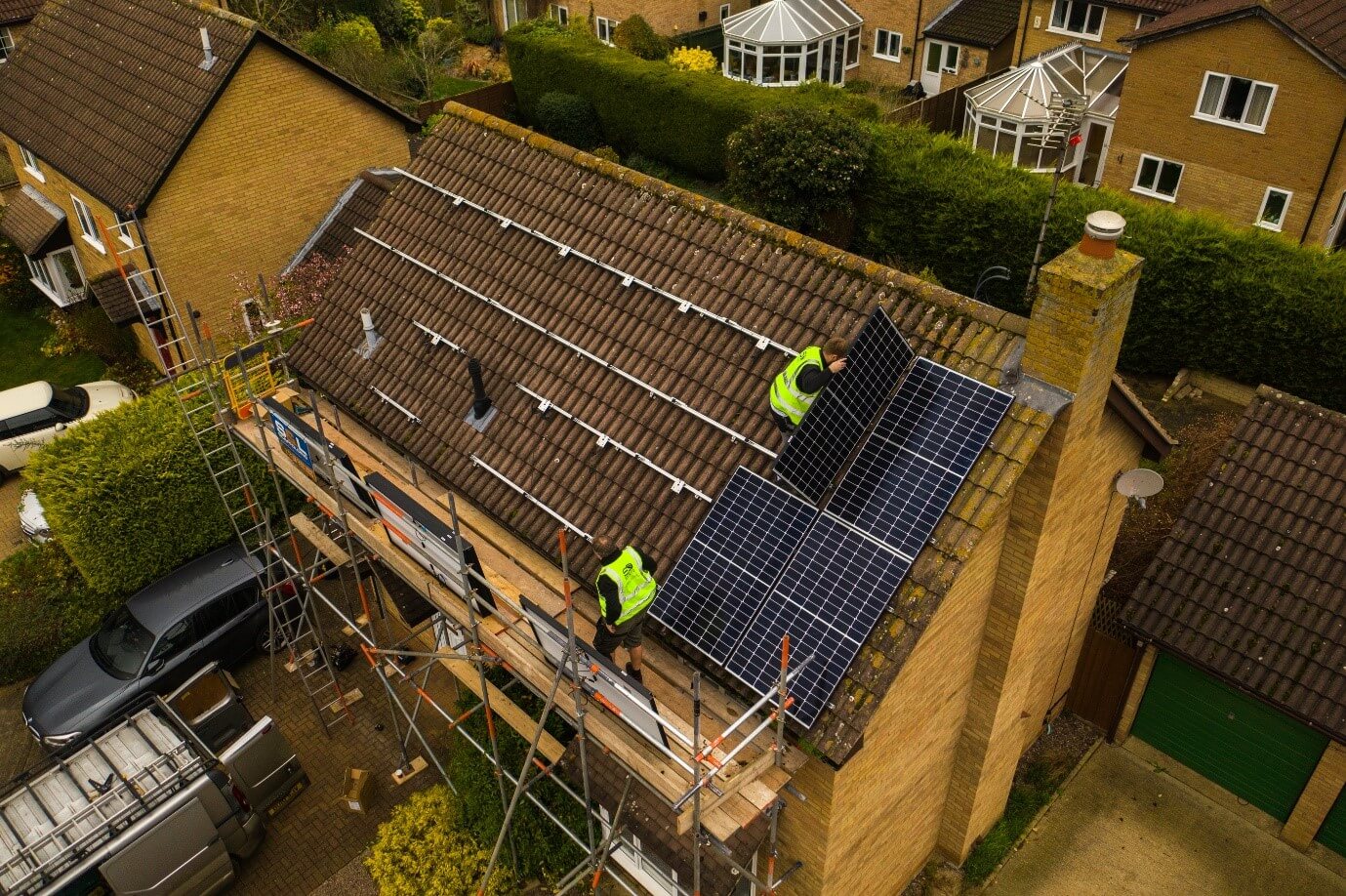
Solar panel installation costs in Essex typically range from £5,000 to £13,000 for a residential property, depending on the size of the system you need. Most three-bedroom homes are best suited to a 4kW system, which sits toward the middle of that range.
Here is a guide to typical costs based on system size:
| System Size | Panels Only | With Battery Storage |
| 3kW (small home) | £5,500 – £7,000 | £8,500 – £11,000 |
| 4kW (3-bed home) | £6,500 – £9,000 | £10,000 – £14,000 |
| 5kW (larger home) | £8,000 – £11,000 | £12,000 – £17,000 |
| 6kW+ (large/commercial) | £10,000 – £14,000+ | £14,000 – £21,000+ |
These figures have been collected from an average based on industry data and are not a fixed price for our services. Price can vary on cost of installation, scaffolding and other associated labour costs. VAT on residential solar installations is currently charged at 0%, which makes a meaningful difference to the overall price.
| Senergy Tip | Every home is different. The best way to get an accurate price is to request a free, no-obligation quote from our team. We survey your property and give you a clear breakdown tailored to your actual energy use and roof layout. |
2. What Factors Affect the Cost of Solar Panel Installation?
Several variables influence the final price of your installation. Understanding these helps you make sense of the quotes you receive:
System Size
The more panels you install, the more electricity you generate — but also the higher the upfront cost. Your installer will calculate the right system size based on your annual energy consumption and available roof space.
Roof Type and Complexity
Standard pitched roofs with easy access are the most cost-effective to work on. Slate roofs, multiple roof angles, flat roofs or limited access can add to the labour cost. Listed buildings or properties in conservation areas may also have additional requirements.
Panel Quality
Budget panels cost less upfront but can degrade faster over time. Premium panels from manufacturers such as SunPower or Jinko typically carry longer performance warranties and deliver better long-term returns. The difference is usually £500 to £1,500 on total costs.
Battery Storage
Adding a solar battery typically costs an additional £2,500 to £8,000, depending on capacity. For most Essex homeowners this is well worth considering, particularly given time-of-use energy tariffs.
Scaffolding
Most installations require scaffolding for safe access, which typically adds £300 to £800 to the overall cost. Bungalows and single-storey extensions can sometimes avoid this.
3. How Much Could I Save on My Energy Bills with Solar Panels?
This is where solar really starts to make financial sense. Essex homeowners with a well-sized system can typically save £500 to £1,200 per year on their electricity bills, depending on system size, household energy usage, and how much of the solar electricity they use directly during the day.
Essex has a real advantage here. The county receives around 19% more solar irradiance than the UK average, meaning your panels will generate more electricity than they would in most other parts of the country. In a good year, a south-facing 4kW system in Essex can generate approximately 3,600 kWh of electricity annually.
Adding battery storage can increase your savings further by allowing you to store electricity generated during the day and use it in the evenings, reducing your reliance on the grid even further.
| Did You Know? | Over 51,000 homes in Essex already have MCS-certified solar installations — that’s 8.2% of households, well above the UK national average of 5.6%. |
4. How Long Does It Take for Solar Panels to Pay for Themselves?
For most Essex homeowners, the payback period for a solar panel system falls between 6 and 12 years. The exact figure depends on your system size, energy usage patterns, and whether battery storage is included.
Homes with higher energy consumption, a well-positioned south-facing roof, and battery storage tend to see the fastest payback — sometimes as little as 4 to 6 years. After the system has paid for itself, you are essentially generating free electricity for the remaining life of the panels, which is typically 25 to 30 years or more.
When you factor in the Smart Export Guarantee payments for electricity exported back to the grid, as well as ongoing rises in grid electricity prices, the long-term financial case for solar in Essex is very strong.
5. Is Battery Storage Worth Adding to My Solar Panel System?
For most Essex homeowners in 2026, yes — battery storage is well worth considering.
Without a battery, you can only use the electricity your panels generate at the moment it is produced. Any surplus is exported back to the grid, where you receive a relatively modest payment for it. With a battery, you store that surplus and use it in the evenings or on cloudy days, dramatically increasing the amount of self-generated power you actually consume.
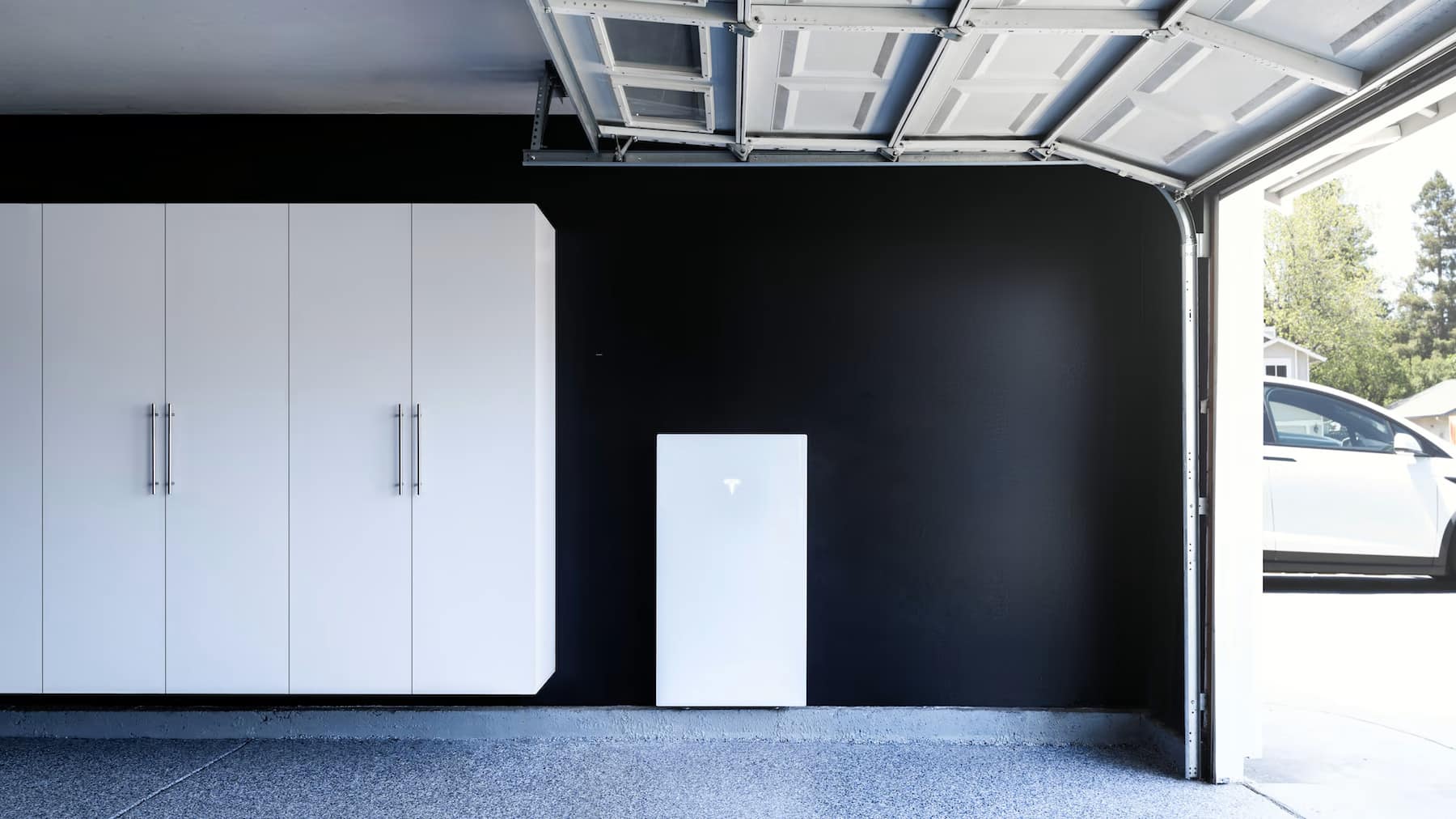
Battery storage typically adds £2,500 to £8,000 to your installation cost, depending on the capacity (most residential systems are between 5kWh and 13kWh). For households on time-of-use tariffs — where electricity is significantly cheaper at off-peak times — a battery can also be used to import cheap overnight electricity for use during the day.
At Senergy Direct, battery storage is one of our most popular additions, and we will always give you an honest assessment of whether the numbers stack up for your specific circumstances.
6. Are There Any Grants or Financial Incentives Available in Essex?
There is no universal grant that gives every homeowner free solar panels, but there are several schemes and incentives worth knowing about:
0% VAT on Solar Installations
All residential solar panel and battery storage installations currently benefit from zero-rate VAT. This is a significant saving that is automatically applied when you purchase through a qualifying installer.
ECO4 Scheme
If your household receives certain benefits or has a low energy efficiency rating, you may qualify for fully funded solar panels through the ECO4 scheme. This scheme is due to end in December 2026, so if you think you might be eligible, it is worth exploring urgently.
Warm Homes: Local Grant
This scheme, aimed at energy-inefficient homes in lower-income or deprived areas, can provide up to £15,000 towards energy performance upgrades including solar. It is delivered locally, so eligibility varies by council area.
Smart Export Guarantee (SEG)
Once your system is installed, you can register for SEG payments for the electricity you export to the grid. More on this in the next section.
7. What Is the Smart Export Guarantee and How Much Can I Earn?
The Smart Export Guarantee (SEG) is a government-backed scheme that requires energy suppliers to pay you for surplus electricity your solar panels generate and export to the national grid.
SEG rates currently range from around 4p to 15p per kWh depending on your energy supplier and the type of tariff you choose. A typical Essex household might export 1,500 to 2,000 kWh per year without battery storage, earning roughly £60 to £300 per year in export payments.
To qualify, your installation must be MCS-certified — which all Senergy Direct installations are — and you will need a smart meter capable of measuring your exports. You can register with any participating supplier, and it does not have to be the same supplier you buy your electricity from.
While SEG income alone will not pay for your system, it meaningfully improves your overall return over the 25-year-plus life of the panels.
| Senergy Tip | We handle MCS certification for every installation we complete, so you will be fully set up to register for SEG payments as soon as your system is live. |
8. Do Solar Panels Work on Cloudy Days in Essex?
Yes — and this is one of the most common misconceptions about solar power in the UK. Solar panels do not need direct sunlight to generate electricity; they work on daylight, not sunshine. Even on overcast days, your panels will continue to produce power, although at a reduced rate compared to a bright sunny day.
Essex is actually well positioned for solar generation. The county sits in the south-east of England, which receives significantly more sunshine than northern parts of the UK. With an annual solar irradiance 19% above the UK average, Essex is one of the best counties in the country for solar panel performance.
Modern high-efficiency panels are designed to make the most of diffuse and low-angle light, so even winter months contribute meaningfully to your annual generation totals.
9. Do I Need Planning Permission to Install Solar Panels in Essex?
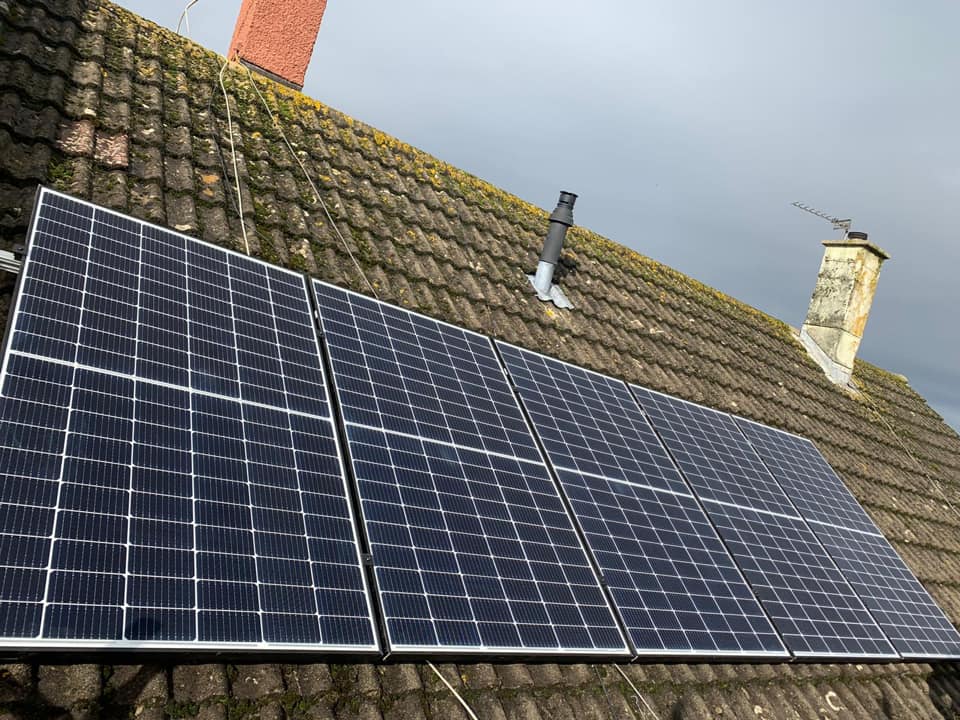
In most cases, no. Solar panel installation on a standard residential roof is considered permitted development in England, meaning no planning application is required. There are some exceptions:
- Your property is a listed building
- Your home is in a designated conservation area
- The panels would protrude more than 0.2 metres from the roof surface
- The installation is on a flat roof or involves a ground-mounted system
If any of these apply, your installer will advise you on the planning requirements and can help you navigate the process. At Senergy Direct, we carry out a thorough pre-installation assessment and will flag any planning considerations before work begins.
10. How Long Does a Solar Panel Installation Take?
For most residential installations in Essex, the process from survey to completion takes around one to three days of physical work on your property, plus some lead time beforehand for planning, ordering equipment and any scaffolding arrangements.
Here is a typical timeline:
- Free survey and quote — usually within 1 to 2 weeks of enquiry
- System design and equipment ordering — 1 to 3 weeks
- Scaffolding erected (if required) — day 1 on site
- Panel and inverter installation — typically 1 to 2 days
- System testing, sign-off and MCS certification — same day as installation
- Scaffolding removal — 1 to 2 days after installation
Our team at Senergy Direct works efficiently and tidily. We will give you a clear timeline before we start and keep you updated throughout.
11. Why Choose a Local Essex Installer Like Senergy Direct?
Choosing a local, accredited installer makes a real difference to both the quality of your installation and your experience as a customer. At Senergy Direct, based in Basildon, here is what sets us apart:
- Over 10 years of experience installing solar panels, battery storage and heat pumps across Essex
- Fully MCS-certified, meaning your installation meets the highest UK standards and qualifies for SEG payments
- Highly accredited with recognised industry bodies
- Local knowledge of Essex roof types, planning considerations, and weather conditions
- We offer Solar Panel Installation, Battery Storage and Heat Pump solutions under one roof
- Honest, straightforward advice — we will tell you if solar is not the right fit for your property
- Ongoing aftercare and support, not just a one-off sale
We are proud of our reputation across Essex and would always encourage prospective customers to check our reviews and ask us for references from nearby installations.
| Get a Free Quote | Contact Senergy Direct today for a free, no-obligation survey and quote. We cover Basildon, Chelmsford, Southend-on-Sea, Brentwood, and all surrounding Essex areas. Visit senergydirect.co.uk or call us to arrange your survey. |
Ready to Make the Switch?
Solar panels are one of the most effective investments an Essex homeowner can make in 2026. With energy prices unlikely to fall significantly, generating your own clean electricity from one of the UK’s sunniest counties simply makes sense.
Whether you are looking for a straightforward solar installation, want to add battery storage to an existing system, or are considering a heat pump to complete your home energy transformation, Senergy Direct has the expertise and local knowledge to make it happen.
Get in touch today for a free survey and no-obligation quote. Our team is based in Basildon and covers the whole of Essex.
Frequently Asked Questions
Do solar panels increase the value of my home?
Yes, in most cases. Research consistently shows that homes with solar panels are more attractive to buyers, particularly as energy costs remain high. A well-installed, MCS-certified system is considered a positive feature on an Energy Performance Certificate (EPC) and can meaningfully increase your property’s value.
Can I get solar panels if I have a north-facing roof?
A south-facing roof is ideal, but east or west-facing roofs can still perform well — typically generating around 15 to 20% less energy than a south-facing equivalent. North-facing roofs are generally not recommended for the primary panel array, though some properties use north-facing space to supplement a larger south or east-west installation.
What happens to my solar panels during a power cut?
Standard solar panel systems automatically shut down during a power cut as a safety measure for grid engineers. However, if you have a battery storage system with islanding capability, it can be configured to continue supplying power to your home during an outage, giving you genuine energy resilience.
How long do solar panels last?
Modern solar panels are designed to last 25 to 30 years, and many continue generating electricity beyond that, albeit at slightly reduced efficiency. Most panels come with a 25-year performance warranty. Inverters typically need replacing after 10 to 15 years, which is a relatively modest cost compared to the overall system.
Can I add battery storage to an existing solar system?
In most cases, yes. Adding battery storage to an existing solar installation is straightforward and can significantly improve the returns you are already getting from your panels. Senergy Direct can assess your existing system and recommend the most compatible battery solution.
What is a heat pump and how does it work with solar panels?
A heat pump is a highly efficient heating system that moves heat from outside air or the ground into your home, rather than generating heat by burning fuel. When powered by solar electricity, a heat pump can dramatically reduce your heating bills and carbon footprint. Senergy Direct installs both air source heat pumps as part of a whole-home renewable energy solution.
Is there a government grant for heat pumps in Essex?
Yes. The Boiler Upgrade Scheme offers a grant of £7,500 towards the cost of an air source heat pump, and £9,000 towards a ground source heat pump, for eligible properties in England. This grant is applied directly as a discount on your installation price. Senergy Direct can advise on eligibility and help you access the scheme.
Do I need to tell my energy supplier I have solar panels?
You do not need to notify your energy supplier about your installation, but you will need to register with an SEG provider in order to receive export payments for surplus electricity. You will also need to notify your Distribution Network Operator (DNO) — your installer should handle this as part of the installation process.
Will solar panels affect my home insurance?
Most home insurance policies cover solar panels as a permanent fixture of the property. However, you should notify your insurer when your system is installed, as the increased value of your property may need to be reflected in your buildings insurance cover. Some insurers offer specialist renewable energy cover.
What maintenance do solar panels require?
Solar panels require very little maintenance. Rain typically keeps them clean, but an annual check and occasional professional clean can help maintain efficiency, particularly if your roof is shaded by trees or in an area with higher pollution levels. Senergy Direct offers aftercare services to keep your system performing at its best.
All pricing figures are indicative for 2026 and should be confirmed by a qualified installer survey.

