


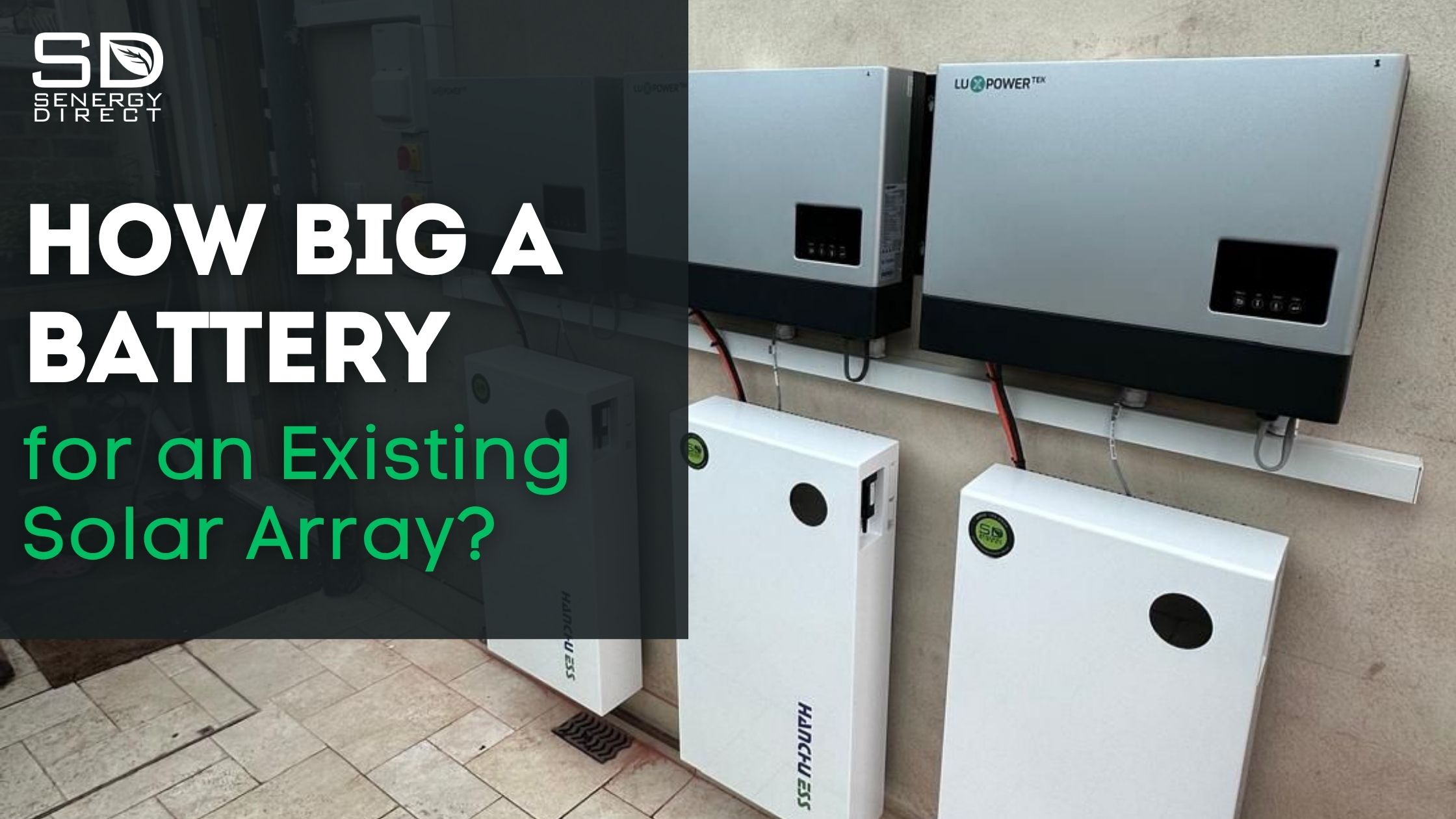
Senergy Direct takes the guesswork out of battery sizing — so you can store more of what your panels generate and pay less for the electricity you use.
If you already have solar panels and are thinking about adding battery storage, one question comes up sooner or later in almost every conversation: how big a battery do I actually need? It sounds like a simple question, but it is one of the most consequential decisions in the whole project. Too small, and the battery fills up before noon and you are still exporting cheap surplus in the afternoon and buying expensive electricity in the evening. Too large, and you are paying for storage capacity that your panels can never fully utilise.
The right answer depends on several factors that are specific to your home: how much your existing array actually generates across the seasons, how much electricity your household uses and when, what you want the battery to do – capture solar surplus, charge from cheap overnight tariffs, or both – and what your energy situation might look like in a few years if an electric vehicle or heat pump enters the picture.
In this guide, Senergy Direct walks you through every aspect of battery sizing for an existing solar array – with real numbers, worked examples, and practical guidance grounded in UK solar conditions and current battery technology. By the end, you will have a clear framework for understanding what size battery makes sense for your system, and the confidence to have an informed conversation with your installer about it.
In This Guide We Answer:
- Why Battery Sizing Matters More Than Most People Realise – and What Getting It Wrong Costs You
- The First Thing to Check: How Much Electricity Does Your Existing Array Actually Generate?
- How Your Household’s Daily Consumption Pattern Shapes the Battery Size You Need
- The Key Calculation: Working Out Your Surplus Solar Generation and Evening Shortfall
- What Role Does Depth of Discharge Play — and Why Usable Capacity Is the Only Number That Counts?
- How Do Seasonal Variation and Winter Performance Affect the Right Battery Size for a UK Home?
- Should You Size for Solar Self-Consumption, Overnight Tariff Charging, or Both?
- When Does It Make Sense to Oversize — and What Future Energy Demands Should You Plan For?
- What Battery Sizes Are Available in the UK Right Now — and Which Suit Which Type of Array?
- How Does Senergy Direct Help You Arrive at the Right Battery Size for Your Specific System?
1. Why Battery Sizing Matters More Than Most People Realise – and What Getting It Wrong Costs You
When existing solar owners start thinking about adding battery storage, the conversation quickly arrives at a question that sounds simple but is actually one of the most important decisions in the whole project: how big should the battery be? It is tempting to treat this as a minor detail — something the installer will sort out — but the size of the battery has a direct and lasting impact on how much value the system delivers, how quickly it pays for itself, and whether it fits your home and lifestyle well.
An undersized battery is perhaps the more common mistake. A battery that fills up by mid-morning on a sunny summer day captures only a fraction of the surplus your panels generate. The rest is still exported to the grid at Smart Export Guarantee rates — typically 4–15p per kWh — whilst you continue to buy electricity back in the evening at 24–28p. You have spent money on a battery that is not doing the job it was bought for.
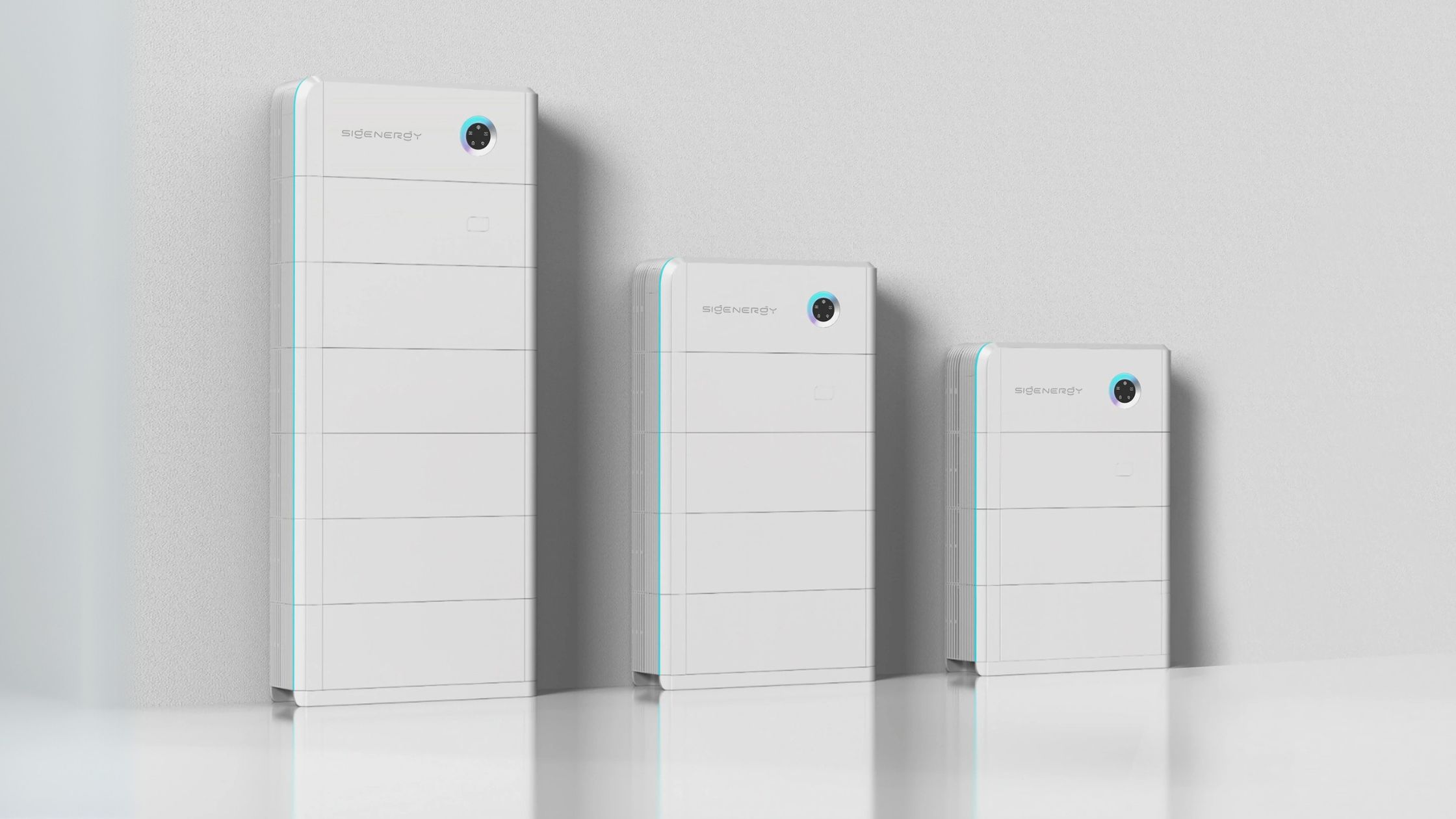
An oversized battery carries its own penalty. A battery that never reaches full charge — because the solar array is simply too small to fill it on most days, or because the household does not consume enough electricity to justify draining it fully each day — represents capacity you have paid for and are not using. The payback period stretches, and the return on investment deteriorates. Senergy Direct sees both of these errors regularly when assessing systems installed by less thorough companies, and the purpose of this guide is to ensure you understand exactly how to avoid them.
| Senergy Tip | A battery that is correctly sized for your array and consumption will typically cycle fully — charging and discharging to usable capacity — on most days between April and September, and partially on most winter days. If your battery rarely reaches full charge or rarely depletes, it is a sign that the sizing relationship between array, battery, and household demand deserves a closer look. Senergy Direct can assess this for you. |
2. The First Thing to Check: How Much Electricity Does Your Existing Array Actually Generate?
Before any battery sizing calculation can begin, you need an accurate picture of what your existing solar array is actually producing. This is the foundational input — without it, any battery size recommendation is little more than an educated guess. The good news is that if your system has a monitoring capability, this data is already available to you.
Most solar inverters installed in the UK over the past decade have some form of generation monitoring, either through a display on the inverter itself, a dedicated monitoring portal accessed via a web browser, or a smartphone app. Your inverter’s monitoring data will typically show daily, monthly, and annual generation figures in kilowatt hours. If you do not have access to this data — perhaps because the monitoring system was never set up or the app login has been lost — Senergy Direct can retrieve the data from your generation meter directly during a site visit.
Using Annual Generation Data
The most useful starting figure is your annual generation total in kWh. For reference, a typical UK solar installation generates between 850 and 1,100 kWh per kilowatt peak (kWp) of installed capacity per year, depending on location and orientation. A 4kW system in the south of England might generate around 4,000–4,400 kWh per year; the same system in Scotland or facing east–west rather than south would generate somewhat less, perhaps 3,400–3,800 kWh.
Dividing your annual generation figure by 365 gives you an average daily generation — but be aware that this average masks enormous seasonal variation. A 4kW system averaging 9–10 kWh per day across the year might generate 16–20 kWh on a clear summer day and as little as 2–4 kWh on a short winter day. Battery sizing needs to account for both extremes, not just the annual average.
If Your System Has No Monitoring Data
If your system predates monitoring capability or the data has been lost, Senergy Direct can use the system’s rated capacity, orientation, and your postcode to generate a predicted generation profile using standard solar irradiance data. This estimated profile is less precise than actual monitored data but is sufficient for an initial sizing assessment, which can be refined once monitoring is reinstated.
| Senergy Tip | Before contacting Senergy Direct about a battery retrofit, take five minutes to find your annual generation figure from your inverter monitoring. Even a rough figure — “about 3,500 kWh last year” — gives the sizing conversation a much more concrete starting point than working from the rated capacity of the panels alone. Generation and rated capacity are not the same thing, and the difference matters for sizing. |
3. How Your Household’s Daily Consumption Pattern Shapes the Battery Size You Need
Solar generation and household electricity consumption rarely align well without a battery. Panels generate most strongly between roughly 10am and 3pm, whilst most UK households consume the majority of their electricity in the morning before people leave for work or school, and in the evening when they return. The midday generation peak often goes largely unused — or is exported — whilst the evening demand is met entirely from the grid.
Understanding your household’s specific consumption pattern is the second essential input to battery sizing. Your total daily electricity consumption matters, but so does when you use it. A household that consumes 10kWh per day but uses 70% of that between 4pm and midnight has very different battery requirements from one that uses 70% of its consumption during daytime hours, perhaps because someone works from home.
Finding Your Daily Consumption Figure
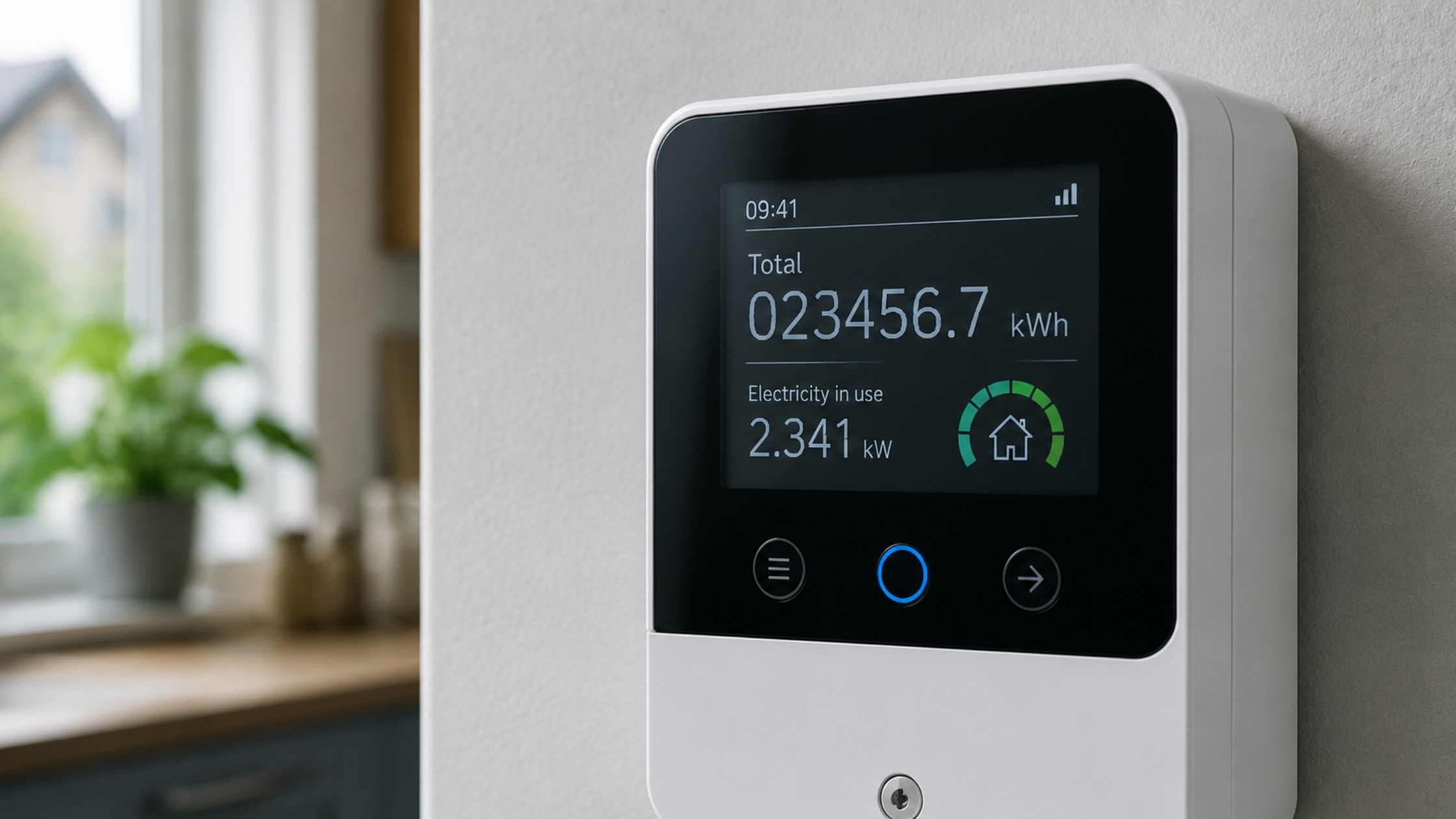
Your annual electricity consumption in kWh is shown on your energy bills or can be retrieved from your smart meter. The average UK household currently consumes around 2,700–3,500 kWh per year, equating to roughly 7.5–9.6 kWh per day. Larger homes, homes with electric heating or an EV, and homes with more occupants will typically be higher. Dividing your annual figure by 365 gives your daily average — the starting point for the sizing calculation.
The Evening and Overnight Portion
For battery sizing purposes, the most important figure is how much of your daily consumption falls outside solar generation hours — broadly, before 9am and after 5pm in summer, or before 9am and after 3pm in autumn and winter. This is the electricity that a battery can most directly replace. Research and installer experience consistently suggest that around 55–70% of UK household electricity consumption falls in this post-solar window. For a household consuming 9.6 kWh per day, that implies an evening and overnight demand of roughly 5–7 kWh — the core target for battery sizing.
Using Smart Meter Half-Hourly Data
If you have a SMETS2 smart meter, your energy supplier can provide half-hourly consumption data showing exactly when you use electricity throughout the day. This is the most precise input available for battery sizing — it removes guesswork about your consumption profile and allows Senergy Direct to size the battery accurately for your specific household rather than working from averages. It is worth requesting this data before your site survey if you can.
| Senergy Tip | A quick way to estimate your evening and overnight consumption without smart meter data is to note your meter reading before you go to bed and again when you wake up. The difference is your overnight consumption. Do this for a week and average the results. Add your estimated evening consumption (from when the sun sets to bedtime) and you have a good approximation of the daily demand your battery needs to cover. |
4. The Key Calculation: Working Out Your Surplus Solar Generation and Evening Shortfall
With your daily generation figure and your daily consumption pattern in hand, the core battery sizing calculation becomes straightforward. The aim is to find the sweet spot — a battery large enough to capture most of your surplus solar generation and cover most of your evening shortfall, without being so large that it routinely sits partially empty.
The calculation works like this: estimate how much of your solar generation is consumed directly during the day (whilst the panels are generating), and how much is surplus. The surplus is what the battery needs to store. Separately, estimate how much electricity you need after solar generation stops — your evening and overnight demand. The battery size should be sufficient to cover the larger of these two figures, with some allowance for the battery’s depth of discharge.
A Worked Example
Take a typical three-bedroom household in the Midlands with a 4kW south-facing solar array generating approximately 9.5 kWh on an average summer day. The household consumes around 10 kWh per day, of which around 3 kWh is used directly from solar during the day, leaving approximately 6.5 kWh of surplus generation available to store. In the evening and overnight, the household needs around 7 kWh of electricity that the panels are no longer generating.
In this case, a battery with around 7 kWh of usable capacity would capture most of the surplus and cover most of the evening demand — delivering close to full solar self-sufficiency on a typical summer day. A battery in the 8–10 kWh range would provide additional headroom, capturing more surplus on above-average generation days and covering a fuller share of overnight demand. A 5 kWh battery would cover most of the summer surplus but leave a meaningful evening shortfall. A 15 kWh battery would be oversized for this system — it would rarely fill completely from solar alone, and the additional capacity would only be productive if the household was also charging from cheap overnight grid electricity.
The Self-Consumption Calculation in Brief
For a quicker estimate without detailed monitoring data, the following approach works reasonably well. Take your array’s daily average generation. Subtract your estimated daytime self-consumption (typically 30–40% of daily generation for a household without home workers). The result is your approximate daily solar surplus and your target minimum battery capacity. Round up to the nearest available battery size, and add 10–20% headroom for usable capacity limitations and seasonal variation.
| Senergy Tip | The calculation above gives a summer-optimised sizing figure. Because UK solar generation is dramatically lower in winter, a battery sized purely on summer surplus will be over-specified for winter conditions. Senergy Direct always sizes batteries for year-round performance — factoring in both peak summer surplus and the winter months when the battery may be drawing more from the grid overnight than from solar during the day. |
5. What Role Does Depth of Discharge Play — and Why Usable Capacity Is the Only Number That Counts?
Battery capacity is quoted in two ways, and confusing them is one of the most common errors in battery sizing discussions. The first is total or nominal capacity — the headline figure quoted in marketing materials, often expressed as something like “10kWh battery.” The second is usable capacity — the amount of that total capacity that can actually be accessed during normal operation. These two figures are not the same, and it is usable capacity that matters for sizing.
The reason the two differ is depth of discharge (DoD) — the maximum proportion of the battery’s total capacity that can be used before the battery management system prevents further discharge to protect the cells from damage. A battery with a total capacity of 10kWh and a 90% depth of discharge has a usable capacity of 9kWh. At 80% DoD, usable capacity falls to 8kWh.
How DoD Varies Between Products
Modern lithium iron phosphate (LFP) batteries — the chemistry used in most leading UK retrofit battery products — typically offer depth of discharge ratings of 90–100%, making the gap between total and usable capacity relatively small. Some premium products quote 100% DoD, though in practice a small reserve is always maintained internally by the battery management system to protect cell longevity. Older lithium NMC batteries and lead acid batteries have lower DoD ratings — sometimes as low as 50–80% — meaning a larger total capacity is required to deliver the same usable storage.

Round-Trip Efficiency Also Affects Effective Capacity
A further factor affecting effective capacity is round-trip efficiency — the proportion of electricity put into the battery that can be retrieved from it. A battery with 95% round-trip efficiency loses 5% of every unit stored to heat during charging and discharging. For a battery charged to 10kWh usable capacity, only 9.5kWh is actually available for use. This efficiency loss compounds over thousands of cycles and affects the true financial return from the battery, which is why Senergy Direct specifies high-efficiency LFP batteries with round-trip efficiencies of 95% or above for all their installations.
Always Size on Usable Capacity
The practical implication is straightforward: when comparing battery options or assessing whether a battery is the right size for your system, always use the usable capacity figure — not the total or nominal figure. If a battery is quoted with a total capacity of 10kWh and a 90% DoD, you are working with 9kWh of usable storage. Size your battery accordingly, and be sceptical of any installer who quotes only the headline total capacity figure without discussing DoD.
| Senergy Tip | When comparing battery quotes, ask each installer to confirm both the total capacity and the usable capacity of the battery they are proposing. If two batteries have the same headline capacity but different DoD ratings, the one with the higher DoD delivers more actual storage per pound spent. Senergy Direct always specifies usable capacity in their proposals so customers are comparing like with like. |
6. How Do Seasonal Variation and Winter Performance Affect the Right Battery Size for a UK Home?
The UK’s dramatic seasonal variation in solar generation is one of the most important — and most frequently underestimated — factors in battery sizing. A battery that is perfectly sized for a July day in the south of England may be significantly over-specified for a January day in the same location, and vice versa. Getting the sizing right for year-round performance, rather than just peak summer output, is one of the hallmarks of a properly designed retrofit installation.
In summer, a well-oriented 4kW solar array in the UK might generate 16–20kWh on a clear day — more than enough to fill most residential batteries and still have surplus to export. The battery fills early in the day, the household draws from it in the evening, and the cycle is complete by the following morning when charging begins again. Self-sufficiency is high, grid imports are minimal, and the battery works exactly as intended.
The Winter Picture
In December and January, the same 4kW array might generate only 2–4kWh on a typical day — less than the usable capacity of even a small 5kWh battery. On these short winter days, solar generation alone will not fully charge the battery, and a greater proportion of the battery’s charge will come from overnight grid charging (if the household is on a time-of-use tariff) rather than from solar surplus. The battery’s role shifts from “store solar surplus for the evening” to “store cheap overnight grid electricity for the day” — a different but equally valuable function.
Implications for Sizing
The seasonal variation has two sizing implications. First, a very large battery — say, 20kWh or more — paired with a modest 3–4kW array will rarely reach full charge from solar alone outside of peak summer. The economics of that large battery depend heavily on overnight grid charging contributing a significant portion of the daily charge cycle, which requires a suitable time-of-use tariff and a battery capable of grid charging. Second, a battery sized tightly around summer surplus may leave evening demand partially unmet in autumn and winter, when solar generation is lower and evening demand is typically higher due to heating, lighting, and longer hours indoors.
Senergy Direct’s approach is to size the battery for a balanced year-round performance — large enough to capture the bulk of summer surplus without being so large that it sits underutilised for half the year. This typically means targeting a usable capacity equivalent to 70–90% of the estimated average daily solar surplus in the main generating season, whilst confirming that the battery is also well-suited to overnight grid charging in winter.
| Senergy Tip | Do not assess your battery’s performance by how it behaves in December. A battery that barely charges from solar in midwinter is behaving exactly as expected — the panels simply are not generating enough to fill it. Judge performance by the annual self-consumption rate and the annual grid import reduction, both of which Senergy Direct tracks through post-installation monitoring for their customers. |
7. Should You Size for Solar Self-Consumption, Overnight Tariff Charging, or Both?
One of the most important questions in battery sizing for an existing solar array is what primary purpose you want the battery to serve. There are two distinct use cases — solar self-consumption and overnight tariff arbitrage — and whilst they can coexist in the same battery, they place different demands on battery capacity and the sizing logic is slightly different for each.
Solar self-consumption sizing aims to capture as much of your daily solar surplus as possible and use it in the evening and overnight, maximising the proportion of your electricity consumption that is met by your own generation rather than the grid. The target battery size is driven primarily by the surplus generation figure and the evening demand figure discussed in earlier sections.
Sizing for Overnight Tariff Charging
Overnight tariff arbitrage sizing works differently. If you are on a time-of-use tariff like Octopus Go, you want your battery to be large enough to charge fully during the cheap overnight window (typically 00:00–05:30 at around 7–8.5p per kWh) and to discharge that stored electricity during the day when grid rates are 24–28p per kWh. The target battery size is driven by your daytime consumption — how much electricity you need between waking up and the start of the cheap overnight window the following night.
For a household consuming 10kWh per day, of which perhaps 6kWh is used during daytime hours, a battery of at least 6kWh usable capacity is needed to cover daytime demand from stored overnight electricity. The larger the battery, the more daytime consumption can be covered from cheap overnight storage rather than expensive daytime grid imports.
Combining Both Use Cases
In practice, most solar battery owners want to do both — maximise solar self-consumption in summer and use overnight cheap-rate charging to reduce grid costs year-round. The good news is that a well-designed battery management system handles both automatically: in summer, solar charging takes priority and grid charging fills any remaining capacity during the cheap overnight window; in winter, overnight grid charging becomes the primary charging source. The battery size that works well for solar self-consumption in summer typically also works well for overnight tariff charging in winter, since both use cases target a similar capacity range for most UK homes.
| Senergy Tip | If overnight tariff charging is a priority for you — perhaps because you have limited solar generation in winter or you want to maximise bill savings year-round — tell Senergy Direct at the outset. They will factor your daytime consumption into the sizing calculation alongside your solar surplus, which may result in a slightly larger battery recommendation than a solar-only sizing approach would suggest. |
8. When Does It Make Sense to Oversize — and What Future Energy Demands Should You Plan For?
The general principle in battery sizing is to match capacity to current need — avoiding the cost and extended payback period of capacity that sits unused. But there are situations where specifying a battery that is somewhat larger than current demand justifies is the smarter long-term decision. Understanding when those situations apply can save you the cost and disruption of replacing or adding to a battery system within a few years of installation.
The most common reason to oversize is anticipated future energy demand. UK household electricity consumption is on a clear upward trajectory as heat pumps replace gas boilers and electric vehicles replace petrol cars. These two technologies, individually and in combination, can add substantially to daily electricity consumption — and therefore to the battery capacity needed to serve that consumption effectively.
Electric Vehicles (EV’s)
A typical electric vehicle used for average UK commuting distances requires around 6–10kWh of charging per day. If that charging takes place at home — which is the most common and cost-effective approach — it represents a significant addition to the household’s daily electricity demand. A household that is well-served by a 7kWh battery today may find that battery wholly inadequate once an EV is added to the mix. If an EV purchase is planned within the next three to five years, specifying a battery in the 13–15kWh range rather than 7–8kWh today can be the more cost-effective choice overall.

Heat Pumps
Air source heat pumps add 8–15kWh of daily electricity consumption for a typical UK home, depending on the property’s insulation, size, and heating demand. A household that installs a heat pump after an existing battery will quickly find that the battery no longer covers a meaningful proportion of the heat pump’s consumption. Again, if a heat pump is on the horizon, factoring that additional demand into the current battery sizing decision is prudent.
The Modular Approach
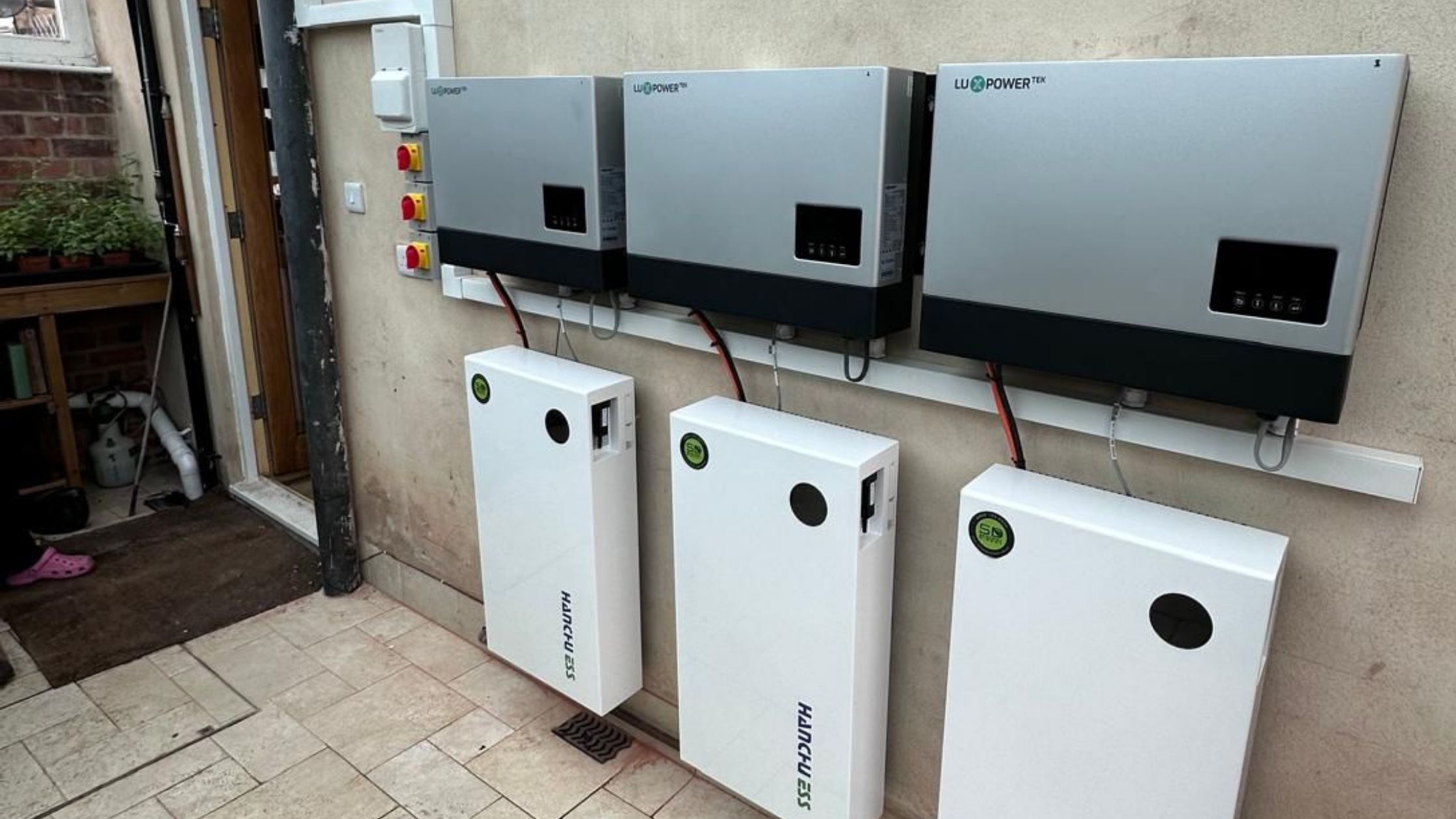
Many leading battery products sold by Senergy Direct are modular — they can be expanded by adding additional battery units at a later stage. This offers a middle path: install a correctly sized battery for current needs, on a product platform that can be expanded when demand grows, rather than paying for unused capacity upfront or replacing a fixed-capacity battery entirely. Senergy Direct will always advise on the expandability of the battery products they recommend, so you understand your future options before you commit.
| Senergy Tip | As a practical guideline, if you are planning to add an EV within five years, add at least 6–8kWh to your base battery sizing figure. If a heat pump is on the horizon, add 8–12kWh. If both are planned, a battery in the 20–25kWh range may be appropriate for a larger property. Senergy Direct can model the impact of these future demands on your battery sizing recommendation at the time of your survey. |
9. What Battery Sizes Are Available in the UK Right Now — and Which Suit Which Type of Array?
The UK residential battery market has matured significantly in recent years, and there is now a wide range of battery sizes and products available to suit different array sizes, household profiles, and budgets. Understanding the main capacity categories and which array sizes they are best matched to helps you go into the buying conversation with a realistic sense of what you need.
Broadly, residential batteries in the UK currently range from around 5kWh to 20kWh for single-unit installations, with modular systems capable of scaling to 40kWh or more through the addition of expansion units. The most commonly installed capacity range for domestic retrofit installations is 9–13.5kWh — a range that suits the majority of UK homes with 3–5kW solar arrays.
Small Batteries: 5–7kWh
Batteries in the 5–7kWh usable capacity range are well suited to smaller homes — one- to two-bedroom properties with lower energy consumption — or to households with modest 2–3kW solar arrays that generate limited surplus. They are the most affordable entry point for battery storage and are appropriate where the primary goal is to capture evening solar surplus rather than to achieve high levels of grid independence. For a two-person household consuming 6–7kWh per day with a 3kW array, a 5–6kWh battery provides a good balance of cost and performance.
Mid-Range Batteries: 9–13.5kWh
The 9–13.5kWh range is the most widely installed in UK homes and suits three- to four-bedroom properties with 4–5kW solar arrays consuming 9–12kWh per day. A 10kWh battery paired with a 4kW array covers most of the evening demand for an average family household in summer, with overnight grid charging making up the balance in winter. The Tesla Powerwall 3 (13.5kWh usable), GivEnergy 9.5kWh, and similar products sit in this range. These batteries deliver strong year-round performance for the majority of UK solar owners considering a retrofit.
Larger Batteries: 15kWh and Above
Batteries above 15kWh usable capacity are most appropriate for larger homes with higher consumption, properties with 5kW or larger solar arrays, households that also want substantial overnight grid charging capacity, or those planning for future EV or heat pump integration. A 15kWh battery paired with a 5kW array on Octopus Go can achieve near-complete energy self-sufficiency in summer and very low grid dependence year-round. The higher upfront cost is typically justified by higher daily cycling value, faster payback, and reduced need for future expansion.
| Senergy Tip | Do not choose a battery based on its brand name or a general recommendation — choose it based on how its usable capacity, DoD, round-trip efficiency, and expandability match your specific array, consumption, and goals. Senergy Direct works with multiple battery brands and will recommend the product that best fits your system rather than defaulting to a single solution for every customer. |
10. How Does Senergy Direct Help You Arrive at the Right Battery Size for Your Specific System?
Getting battery sizing right for an existing solar array is not a matter of applying a formula once and arriving at a single correct answer. It requires judgement — balancing the competing demands of summer surplus capture, winter grid charging, future energy needs, budget, and the specific performance characteristics of available battery products. It is also a decision that will affect your energy costs and self-sufficiency for ten to fifteen years. It deserves careful, personalised attention.
Senergy Direct approaches every retrofit battery project with a structured assessment process that begins well before any hardware is recommended. The process starts with a review of the existing solar system — its rated capacity, orientation, actual generation data, and the condition of the inverter and associated equipment. This is combined with an analysis of the household’s electricity consumption, drawn from energy bills and smart meter data where available.
The Site Survey
 Every Senergy Direct retrofit project begins with a site survey. The surveyor will inspect the existing installation, retrieve generation data, assess the suitability and compatibility of the existing inverter for battery integration, and discuss the household’s energy usage, tariff, and future plans. This conversation covers not just what battery the customer needs today, but what they are likely to need in three to five years — whether that means leaving room for expansion or specifying a larger capacity upfront.
The Sizing Recommendation
Based on the survey findings, Senergy Direct produces a sizing recommendation that specifies the target usable capacity, the product or products that meet that specification, and the rationale behind the recommendation. Where there is a genuine choice between a smaller battery now and a modular expansion later, they will present both options with clear financial modelling of each — so customers can make an informed decision based on their own priorities and budget.
Post-Installation Monitoring
Once installed, Senergy Direct provides customers with access to monitoring tools that track the battery’s daily charging and discharging behaviour, self-consumption rate, and estimated savings. This data allows both the customer and Senergy Direct to confirm that the battery is performing as expected — and to identify any adjustments to scheduling or configuration that could improve performance further. If the monitoring data suggests that the battery is consistently over- or under-utilised, Senergy Direct will discuss the options with the customer proactively.
| Senergy Tip | The most valuable thing you can bring to a battery sizing conversation with Senergy Direct is your data — your annual generation figure, your annual electricity consumption, your current energy tariff, and any plans you have for EVs, heat pumps, or home extensions in the next five years. The more context they have, the more precisely they can size the battery and the more confident you can be that the recommendation is right for you. |
Get the Right Battery for Your Solar System with Senergy Direct
Senergy Direct specialises in retrofit battery installations for existing solar systems across the UK. Their team carries out a thorough site assessment for every project — reviewing your generation data, consumption profile, inverter compatibility, and future plans – to arrive at a battery size recommendation that is right for your specific home, not just a generic best guess.
Get in touch with Senergy Direct today for a no-obligation survey and sizing assessment. Find out exactly what battery your existing array needs — and how much more value your solar investment could be delivering.
Frequently Asked Questions
Here are the battery sizing questions Senergy Direct hears most often from existing solar owners — with clear, practical answers.
Is There a Simple Rule of Thumb for Matching Battery Size to Solar Array Size?
A commonly used starting point is to target usable battery capacity equivalent to around 1.5–2 times the array’s rated capacity in kWh — so a 4kW array might suggest a 6–8kWh battery. However, this rule of thumb ignores your actual consumption pattern, your daily surplus generation, and your evening demand, all of which vary significantly between households. It is a reasonable first estimate, but a proper sizing assessment based on your actual data will always produce a more accurate recommendation.
Can I Check How Much Surplus My Existing Solar System Generates Without a Battery?
Yes. If your inverter has monitoring capability, it will typically show generation data alongside any consumption data from a clamp meter or energy monitor. Some monitoring systems also calculate and display export figures. Alternatively, your smart meter records how much electricity is exported to the grid in each half-hour period — this export figure is essentially your surplus generation and is the most direct measure of what a battery needs to store. Contact your energy supplier to request your half-hourly export data.
Does a Bigger Battery Always Mean Bigger Savings?
Not necessarily. A battery only generates savings when it cycles — charging and discharging. If a battery is larger than the available surplus solar generation and evening demand, the additional capacity sits idle for much of the year, adding cost without adding proportional value. Savings scale with battery size up to the point where the battery can be fully cycled daily; beyond that point, additional capacity adds diminishing returns unless overnight grid charging is also being used to fill the extra space.
What Battery Size Do I Need If I Also Want to Charge from Cheap Overnight Tariffs?
For overnight tariff charging, the target battery size is determined by your daytime electricity consumption — the electricity you need between waking up and the start of the cheap overnight window the following night. For a household consuming 10kWh per day, a battery of at least 7–8kWh usable capacity is needed to cover most of daytime demand from stored overnight electricity. Combining solar self-consumption and overnight tariff charging often justifies a battery in the 10–13.5kWh range for a typical UK family home.
Do I Need to Upgrade My Inverter If I Add a Large Battery to My Existing System?
It depends on the size of the battery and the coupling approach. For AC-coupled retrofit installations, the existing inverter is not modified and an inverter upgrade is not required, regardless of battery size. For DC-coupled installations, a hybrid inverter replaces the existing solar inverter and must be rated to handle both the solar array and the battery. Senergy Direct assesses inverter compatibility as part of every site survey and will advise whether an upgrade is needed before recommending a battery size.
Can I Start with a Smaller Battery and Add Capacity Later?
Yes, provided you choose a modular battery product. Many leading brands — including GivEnergy, SolarEdge, Sigenergy, and Tesla Powerwall 3 — support the addition of expansion battery units to increase total capacity at a later stage. It is important to confirm this expandability before purchasing the initial unit, as not all battery products support modular expansion and the cost of replacing a fixed-capacity battery to increase storage can be significant. Senergy Direct will confirm expandability for any product they recommend.
How Do I Know If My Current Solar Array Is Too Small to Justify a Large Battery?
If your array generates less than 5–6kWh of daily surplus on an average summer day, a large battery of 13kWh or more is unlikely to justify itself on solar self-consumption alone. In that situation, a smaller battery in the 5–8kWh range may be more appropriate — unless you plan to use overnight grid charging to fill the additional capacity, in which case a larger battery can still be justified by the tariff arbitrage savings it enables. Senergy Direct will model this clearly for your specific system.
What Is the Average Battery Size Installed Alongside a 4kW Solar Array in the UK?
For a 4kW solar array, the most commonly installed battery capacity in the UK is currently in the 9–10kWh range. This size captures most of the summer surplus from a 4kW system, covers the majority of a typical family household’s evening demand, and provides useful overnight grid charging capacity in winter. A 13.5kWh battery (such as the Tesla Powerwall 3) is also popular with households that want additional capacity for overnight tariff charging or future EV or heat pump integration.
Does Battery Size Affect the Warranty or Lifespan of the Unit?
Battery lifespan is primarily determined by the number of charge-discharge cycles and the depth to which the battery is cycled, rather than its absolute size. A larger battery that is cycled to a shallower depth each day will typically last longer than a smaller battery cycled more deeply. Most leading residential batteries carry a 10-year warranty regardless of capacity, though the warranted capacity retention figure (typically 70–80% of original capacity at end of warranty) applies equally across sizes.
Will the Right Battery Size Change If I Get an EV or Heat Pump in the Future?
Yes, significantly. An EV adds around 6–10kWh of daily charging demand; a heat pump adds 8–15kWh of daily electricity consumption. Either or both will substantially increase the battery capacity needed to cover a meaningful proportion of your total daily electricity use. If either is planned within five years, Senergy Direct recommends factoring that future demand into the current sizing decision — either by specifying a larger battery now or by choosing a modular product that can be readily expanded when the time comes.
Disclaimer: This article is intended for general informational purposes only. Battery sizing figures, generation estimates, consumption averages, and financial projections are illustrative and based on typical UK conditions at the time of writing. Actual performance will vary depending on your specific system, location, household consumption, tariff, and usage patterns. Always obtain a site-specific assessment from a qualified MCS-certified installer before making any investment decision. Senergy Direct accepts no liability for actions taken or not taken based on the contents of this article.

