


Senergy Direct breaks down every factor that influences what you pay for solar — so you can compare quotes with confidence and understand exactly what you are getting for your money.
You have decided to look into solar panels. You have done some initial research, maybe filled in a few online forms, and now you are looking at a set of quotes that are harder to interpret than you expected. Two proposals for what looks like roughly the same system are separated by a significant sum. One installer is offering more panels for less money. Another is recommending a larger system than the others without fully explaining why. It is confusing — and that confusion is one of the reasons many people either overpay for their solar installation or choose the wrong system.
Solar installation pricing is not opaque by accident. There are genuine reasons why costs vary — between different properties, different specifications, and different installers — and understanding those reasons puts you in a much stronger position as a buyer. It allows you to read a quote critically, to identify what has been included and what has not, and to make a fair comparison between proposals rather than simply gravitating towards the lowest number on the page.
In this guide, Senergy Direct takes you through every factor that influences the price of a domestic solar installation in the UK — from system size and panel technology through to scaffolding, VAT, compliance, and the often-overlooked question of installer quality. By the end, you will know exactly what to look for in a solar quote and why the cheapest option is not always — or even often — the best one.
In This Guide We Answer:
- Why Two Identical-Looking Solar Quotes Can Differ by Thousands of Pounds
- System Size: How the Number of Panels and Total Kilowatt Peak Affects Your Price
- Panel Technology and Tier: What You Are Actually Paying for When You Choose Premium Panels
- Inverter Type: How Your Choice of Inverter Affects Both Price and Long-Term Performance
- Roof Type, Condition, and Complexity: the Installation Factors That Push Labour Costs Up
- Scaffolding, Access, and Location: the Hidden Costs That Rarely Appear in Headline Quotes
- Whether You Include Battery Storage — and the VAT Implications of When You Add It
- MCS Certification, DNO Paperwork, and What Proper Compliance Actually Costs
- Installer Quality, Warranties, and Aftercare: Why the Cheapest Quote Is Rarely the Best Value
- How to Compare Solar Quotes Fairly — and Where Senergy Direct Fits In
1. Why Two Identical-Looking Solar Quotes Can Differ by Thousands of Pounds
If you have started gathering quotes for a solar installation, you may already have noticed something puzzling: two proposals that appear to offer broadly the same thing — a similar number of panels, on a similar roof, in a similar area — can come back at prices that are strikingly different. That gap is not random, and it is not simply one installer overcharging. It reflects genuine differences in what each quote actually includes, the quality of the components being proposed, the thoroughness of the installation process, and the level of support provided after the system is switched on.
Understanding what drives solar installation pricing is one of the most useful things you can do before you commit to a purchase. It allows you to read a quote critically — to see not just the bottom line but what is behind it — and to make a like-for-like comparison between proposals rather than simply choosing the cheapest number on the page. It also helps you identify quotes that look attractively priced because they have left things out, rather than because the installer is genuinely more efficient.
In this guide, Senergy Direct takes you through every factor that influences the price of a solar installation in the UK — from the obvious ones like system size and panel technology, through to the less visible costs like scaffolding, DNO paperwork, and the long-term implications of installer quality. By the end, you will have the framework to assess any quote you receive with real confidence.
| Senergy Tip | Before you request quotes, spend ten minutes writing down your priorities: how much roof space you have, your rough annual electricity consumption, whether you want battery storage now or later, and any specific concerns about your roof or property. Sharing this information upfront helps every installer quote for the same scope — making comparisons genuinely meaningful rather than superficially similar. |
2. System Size: How the Number of Panels and Total Kilowatt Peak Affects Your Price
System size is the single biggest driver of solar installation cost. A larger system costs more in absolute terms — more panels, more mounting hardware, potentially a larger or more capable inverter — but the cost per kilowatt peak (kWp) tends to fall as system size increases, because a significant portion of installation costs — scaffolding, labour, paperwork — are largely fixed regardless of how many panels go on the roof.
System size should be determined by your household’s electricity consumption and the amount of suitable roof space available — not by what happens to fit in your budget or what an installer suggests without first reviewing your energy usage. An undersized system leaves savings on the table; an oversized system generates surplus that, whilst exportable under the Smart Export Guarantee, earns far less per unit than the electricity it displaces.
What System Size Does a Typical UK Home Need?
A smaller family home with modest electricity consumption will typically suit a smaller system, whilst larger properties with higher usage — especially those running electric vehicles or heat pumps — will benefit from greater capacity. Senergy Direct carries out a consumption analysis for every customer before recommending a system size, ensuring the installation is matched to your actual energy profile rather than a generic template.
| Senergy Tip | Do not size your solar system based on how many panels fit on your roof — size it based on how much electricity you use. A system designed around consumption delivers better financial returns than one designed around roof capacity. Senergy Direct reviews your electricity bills and usage data before recommending a system size, and will tell you clearly if a smaller or larger system would serve you better than the obvious choice. |
3. Panel Technology and Tier: What You Are Actually Paying for When You Choose Premium Panels
Not all solar panels are created equal, and the technology and quality tier of the panels specified in your quote has a significant bearing on both the price and the long-term performance of your system. The UK solar market has largely moved away from older polycrystalline technology towards monocrystalline panels, and within monocrystalline, the industry has shifted strongly towards higher-efficiency N-Type technologies — principally TOPCon (Tunnel Oxide Passivated Contact) and HJT (Heterojunction Technology).
N-Type panels offer meaningfully higher efficiency than older P-Type monocrystalline panels and they degrade more slowly over their operational life, meaning they retain a higher proportion of their original output after many years of use. For a UK installation where roof space is often limited, higher efficiency panels deliver more power from the same area. They also perform better under the low-light and diffuse conditions that characterise much of the UK’s weather — a genuine practical advantage.
Panel Tiers Explained
The solar industry informally groups manufacturers into three tiers. Tier 1 panels come from the world’s largest, most financially stable manufacturers — companies who invest heavily in research and manufacturing quality and whose warranties are backed by organisations with the financial strength to honour them over a long product guarantee period. Tier 2 and Tier 3 panels come from smaller or newer manufacturers, often at lower prices, but with less certainty around long-term warranty support and potentially more variable quality control. The price difference between premium and budget panels is real, but so is the performance and reliability gap over the life of the system.
Panel Wattage and How It Affects Panel Count
Panel wattage has increased significantly in recent years, with residential panels now commonly rated at high outputs per panel. Higher wattage panels mean fewer panels are needed to achieve the same total system capacity. Fewer panels can mean simpler installation and less roof coverage, though the per-panel cost of higher-wattage panels is typically higher. When comparing quotes, always focus on the total system capacity in kWp and the efficiency rating, not just the number of panels.
| Senergy Tip | When you receive a solar quote, look for the panel manufacturer and model number — not just the wattage. Search for the manufacturer’s tier classification and check the product warranty and the performance warranty, which should guarantee a minimum output at end of life. A quote that does not specify the panel brand and model is a quote you cannot properly evaluate. |
4. Inverter Type: How Your Choice of Inverter Affects Both Price and Long-Term Performance
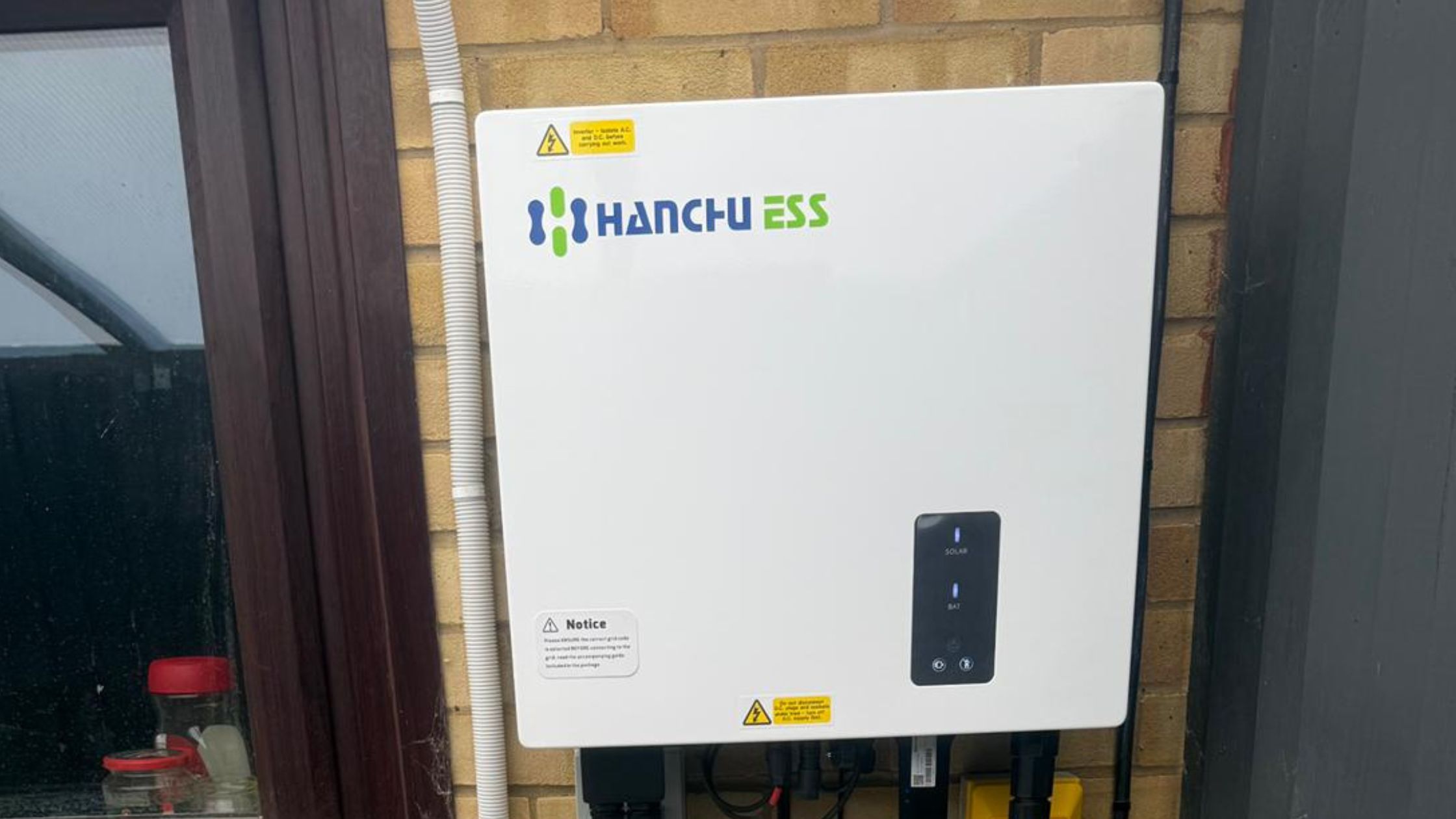
The inverter is the component that converts the direct current (DC) electricity generated by your solar panels into the alternating current (AC) electricity used by your home’s appliances. It is also the component most likely to require attention during the life of your solar system — inverters have a shorter typical operational lifespan than the panels themselves. The type and quality of the inverter in your quote has a meaningful impact on both the upfront price and the long-term performance and maintenance cost of the system.
The UK market offers three main inverter types for residential installations: standard string inverters, hybrid (or battery-ready) inverters, and microinverter systems. Each has a different price point, performance profile, and suitability for different installation scenarios.
Standard String Inverters
A standard string inverter is the simplest and most cost-effective option. All of the solar panels connect in series strings to a single central inverter, which converts the combined output to AC. String inverters are reliable, well-proven, and the lowest-cost inverter option. Their main limitation is that shading or soiling on a single panel can reduce the output of the entire string — a consideration for roofs with partial shading from chimneys, trees, or neighbouring buildings.
Hybrid Inverters
A hybrid inverter handles both solar generation and battery storage within a single unit, making it the natural choice if you plan to add a battery now or in the future. Hybrid inverters cost more than an equivalent standard string inverter, but they eliminate the need to purchase a separate battery inverter later and provide tighter integration between solar and storage. The majority of new solar installations in the UK now include or plan for battery storage, making a hybrid inverter the default recommendation for most customers.
Microinverters
Microinverters attach individually to each panel, converting DC to AC at the panel level rather than centrally. This eliminates the shading problem of string inverters — a shaded panel only affects its own output, not the whole array. Microinverter systems add to the installation cost, but they offer superior performance on complex or partially shaded roofs, panel-level monitoring, and the absence of a single point of failure. Senergy Direct recommends microinverters for roofs with significant shading or multiple aspects, where the performance benefit justifies the additional investment.
| Senergy Tip | If your quote includes a standard string inverter but you are planning to add battery storage within the next few years, ask your installer whether the inverter is battery-compatible and what the cost of adding a battery would be later. In some cases, upgrading to a hybrid inverter at the time of the solar installation is more cost-effective than retrofitting battery compatibility later — and Senergy Direct will model both options clearly for you. |
5. Roof Type, Condition, and Complexity: the Installation Factors That Push Labour Costs Up
The physical characteristics of your roof have a significant influence on the labour component of your solar installation — and labour typically accounts for a substantial proportion of the total installation cost. A straightforward south-facing pitched roof with standard interlocking concrete tiles and good structural condition is about as installer-friendly as it gets. Step away from that ideal in any direction and costs start to rise.
Understanding which roof characteristics increase installation complexity helps you assess whether a higher quote is justified by your specific property or whether it represents unnecessary overcharging.
Roof Material
Standard concrete or clay interlocking roof tiles are the most common and easiest roof surface to work with. Slate tiles — particularly natural Welsh slate — are more fragile and require greater care during installation, increasing labour time and the risk of breakage. Flat roofs require different mounting systems which add component and labour costs. Metal roofing, thatched roofs, and certain heritage materials each present their own specific challenges and cost implications.
Roof Pitch and Orientation
Steeper roofs require more careful working practices and may increase labour time. Low-pitched or flat roofs require angled mounting frames to position the panels at an optimal angle for UK solar conditions, adding hardware cost. East- or west-facing roofs are perfectly viable for solar but may require a larger system to achieve the same annual output as an equivalent south-facing installation — increasing the total system cost.
Roof Condition and Structural Integrity
Solar panels are expected to remain on a roof for many years. If the roof itself has less than the full system lifespan of serviceable life remaining, those issues should be addressed before installation. Senergy Direct includes a roof condition assessment as standard in their site surveys and will advise honestly if remedial work is recommended before panels are installed.
Multiple Roof Aspects
Installing panels across two or more roof aspects can improve year-round generation by spreading output across more of the day. However, it requires more complex mounting, additional string wiring, and often a more capable inverter. Senergy Direct always models whether the generation benefit justifies the additional spend for each specific property.
| Senergy Tip | Take photographs of your roof from ground level before your Senergy Direct site survey — both the roof surface and any obstructions like chimneys, skylights, or vents. The more information the surveyor has in advance, the more time they can spend on the productive parts of the survey. Any roof concerns identified during the survey will be discussed openly before any recommendation is made. |
6. Scaffolding, Access, and Location: the Hidden Costs That Rarely Appear in Headline Quotes
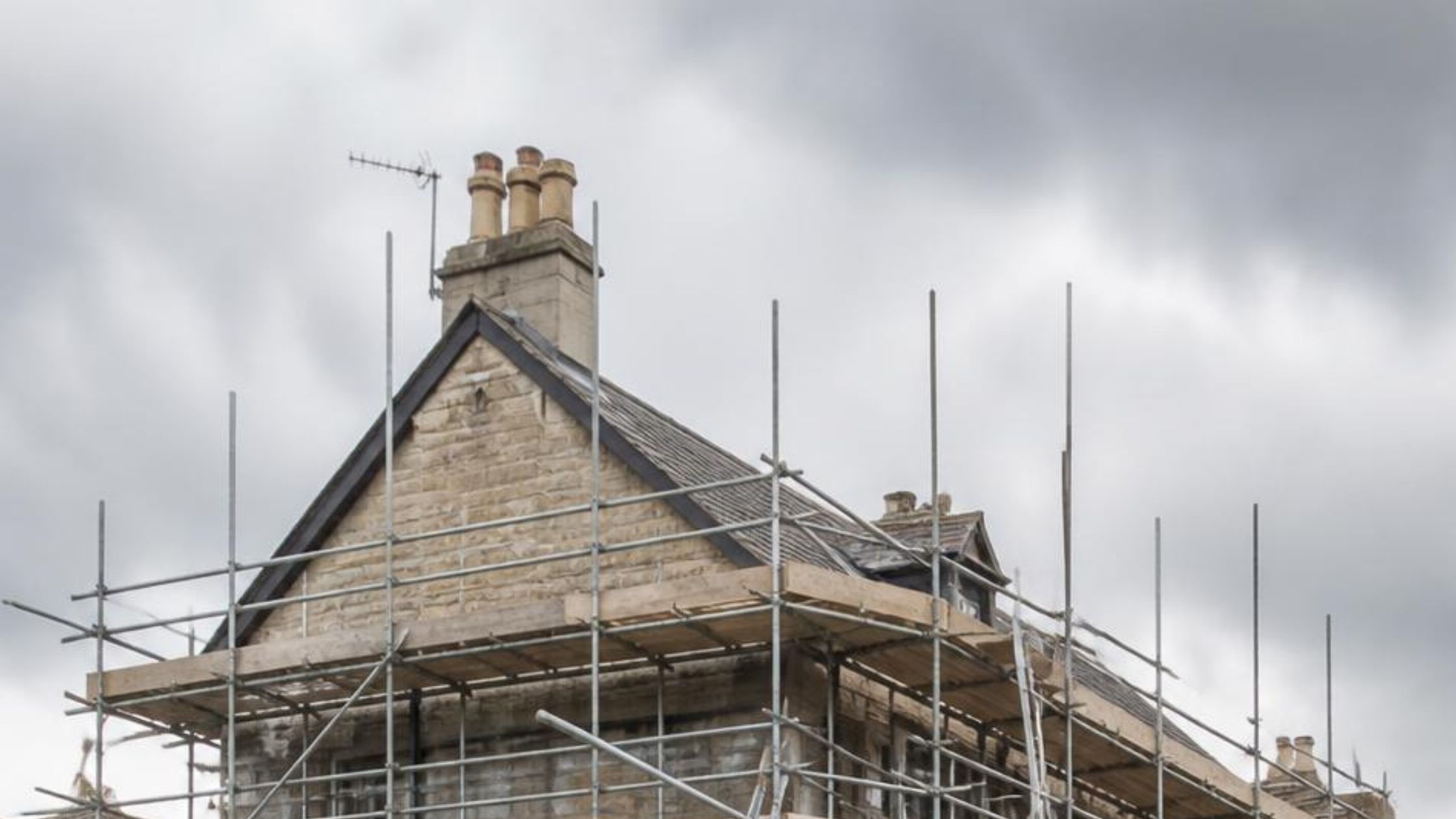
Scaffolding is one of the most significant variable costs in a solar installation — and one of the most commonly omitted from headline quotes. The cost varies considerably depending on the height and complexity of the property, access conditions, and how long the scaffold needs to remain in place.
When comparing solar quotes, the most important question to ask about scaffolding is not how much it costs, but whether it is included. A quote that omits scaffolding can look very competitive until the scaffolding invoice arrives separately.
What Drives Scaffolding Cost
Scaffolding cost is driven by the height of the property, the extent of the roof area being worked on, the difficulty of access to the site, and how long the scaffold needs to remain in place. Most residential solar installations are completed within one to two days, so scaffold hire is typically for a week including erection and dismantling. Longer or more complex jobs incur higher hire periods.
Location and Regional Pricing
Location affects solar installation pricing in two ways. First, labour costs vary regionally — installation teams in London and the South East typically charge higher day rates than those elsewhere, reflecting the higher cost of operating in those areas. Second, rural locations may involve travel time and costs that some installers will factor into their pricing, particularly for smaller installers without a regional presence near the property.
DNO Application and Grid Connection Costs
For solar systems above a certain capacity, a notification to the Distribution Network Operator (DNO) is required before installation. For larger systems, formal approval may be needed — a process that can take several weeks and occasionally requires technical modifications to the installation or the property’s connection. Senergy Direct handles all DNO notifications and approvals as standard, with no hidden charge.
| Senergy Tip | When you receive any solar quote, ask the installer to confirm in writing whether scaffolding is included or excluded from the price, and if included, what the scaffolding specification covers. Also confirm whether DNO notification and any associated fees are included. These two items alone can account for a meaningful portion of the difference between a cheap-looking quote and a comprehensive one. |
7. Whether You Include Battery Storage — and the VAT Implications of When You Add It
Adding battery storage to a solar installation is the single largest optional cost decision in the buying process. Whether that additional investment is worthwhile depends on your energy usage, tariff, and goals — but the timing of when you add the battery relative to the solar panels also has a meaningful financial implication that is worth understanding before you decide.
Solar panel installations benefit from zero-rated VAT — a government relief on energy-saving materials that removes what would otherwise be a substantial addition to the installation cost. This relief applies to the panels, the inverter, the mounting system, and associated installation work. Critically, it also applies to battery storage — but the way it applies depends on whether the battery is installed at the same time as the solar panels or retrofitted at a later date.
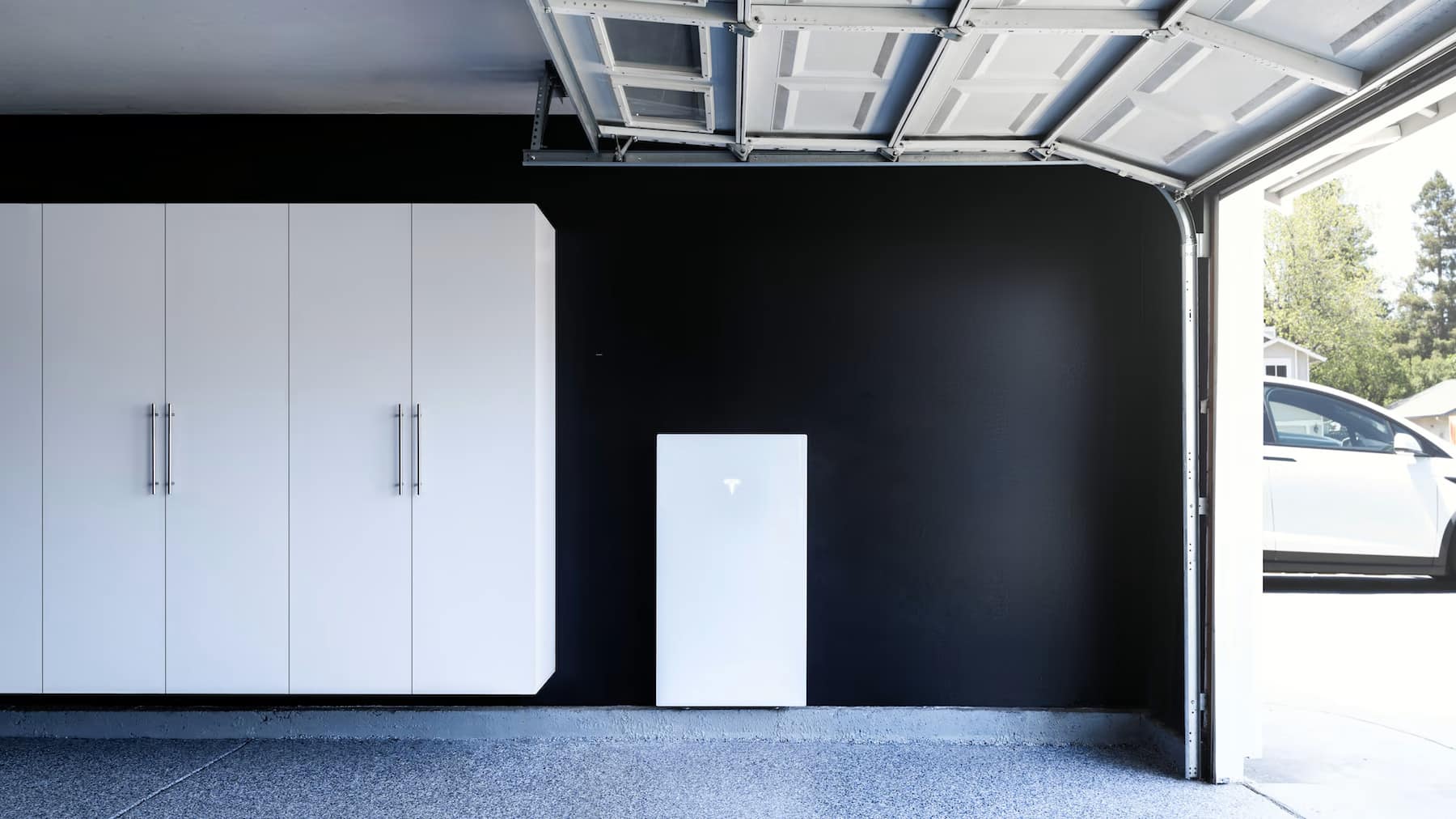
Installing Battery and Solar Together
When a battery is installed at the same time as a new solar panel system, the entire system — panels, inverter, battery, and installation — qualifies for zero-rated VAT as a single energy-saving installation. This means no VAT is added to any component of the quote. The saving is real and makes simultaneous installation significantly more cost-effective than staging the two separately.
Retrofitting a Battery After Solar Installation
The VAT position on battery-only retrofits has evolved over recent years. At the time of writing, standalone battery storage retrofitted to an existing solar system qualifies for zero-rated VAT for residential installations under current HMRC guidance. However, this position should always be confirmed at the time of purchase, as VAT rules on energy storage can change with budget or policy updates. Labour costs for a separate retrofit visit are also typically higher than the incremental labour of adding a battery during the initial solar installation.
The Financial Case for Including Battery from the Start
For most customers who are likely to want battery storage within the next few years, Senergy Direct’s recommendation is to include it in the initial installation where budget allows. The labour cost saving, reduced scaffolding visits, tighter system integration, and VAT efficiency all favour simultaneous installation. The total cost is higher upfront, but the cost of waiting — in terms of solar surplus exported at low rates during the intervening period, and the additional installation costs of a separate retrofit visit — is often underestimated.
| Senergy Tip | When Senergy Direct quotes for a solar installation, they always present the option with and without battery storage side by side, including the full VAT position for each. This allows customers to make an informed decision about whether to include battery storage now or plan for it later — with a clear understanding of what each choice costs in the short and long term. |
8. MCS Certification, DNO Paperwork, and What Proper Compliance Actually Costs
A solar installation is not simply a matter of attaching panels to a roof and connecting them to the electricity supply. It involves a regulated process of design, installation, certification, registration, and notification that, when done properly, protects the homeowner, supports warranty validity, enables Smart Export Guarantee access, and ensures the system operates safely and correctly within the UK grid.
The Microgeneration Certification Scheme (MCS) is the UK’s recognised quality standard for small-scale renewable energy installations. An MCS-certified installation means the installer has met rigorous competency requirements, the system has been designed and installed to MCS standards, and the customer receives an MCS certificate that registers the installation on the national database. MCS certification is a prerequisite for accessing the Smart Export Guarantee — the scheme that pays you for surplus electricity exported to the grid.
What MCS Certification Involves
 An MCS-certified installation involves a design phase that meets MCS technical requirements, installation by a certified operative, commissioning and testing of the completed system, and the production of an MCS certificate issued to the homeowner. The administrative and technical overhead of MCS compliance adds cost to an installation — but it is a cost that protects the customer. An installation that is not MCS-certified cannot access SEG payments, may not be covered by the installer’s warranty in the event of a dispute, and cannot be relied upon to have met the design and safety standards that MCS certification guarantees.
Building Regulations and Permitted Development
Most domestic solar panel installations in the UK fall within permitted development rights — meaning planning permission is not required. However, installations on listed buildings, in conservation areas, or in certain other planning-sensitive contexts may require prior approval. An installer who does not check permitted development status and simply proceeds without appropriate authorisation is creating a potential legal and insurance liability for the homeowner. Senergy Direct confirms planning status for every installation as part of their pre-installation process.
Why Proper Compliance Costs More Than Cutting Corners
The cost of proper MCS certification, DNO notification, electrical certification, and all associated paperwork is embedded in any reputable installer’s quote. It represents real administrative and technical time. Quotes that appear unusually cheap often reflect corners being cut in this area — either the installation is not being registered as MCS-certified, or the DNO process is being skipped, or the electrical sign-off is being handled informally. Each of these shortcuts creates a risk that the homeowner does not discover until they try to claim on a warranty, access SEG payments, or sell their home.
| Senergy Tip | Always ask any solar installer to confirm in writing that the installation will be MCS-certified and that you will receive an MCS certificate upon completion. Also ask whether the system will be registered with the MCS database and whether DNO notification will be submitted on your behalf. Senergy Direct provides all of this as standard — the MCS certificate, DNO notification, and electrical installation certificate are all included in the installation package without exception |
9. Installer Quality, Warranties, and Aftercare: Why the Cheapest Quote Is Rarely the Best Value
A solar installation is a long-term investment with a design life of many decades. The quality of the installer — their technical competence, the robustness of their workmanship warranty, and the reliability of their aftercare support — matters enormously over that time horizon. A poorly executed installation might look identical to a well-executed one on the day it is commissioned, but the differences emerge over years: in generation performance that falls short of projections, in maintenance issues that arise from poor cable management or substandard mounting, or in a warranty claim that cannot be honoured because the installing company has ceased trading.
The UK solar market has grown rapidly, and with that growth has come significant variation in installer quality. At one end of the spectrum are established, well-capitalised businesses with experienced installation teams, robust quality control processes, and the financial stability to honour long-term warranties. At the other end are newer entrants whose long-term business continuity is less certain.
Workmanship Warranties
Most reputable solar installers offer a workmanship warranty — a guarantee that the installation itself has been carried out correctly and that any defects attributable to the installation rather than the components will be remedied at no cost. Workmanship warranty periods vary considerably; a longer warranty period is generally a mark of a confident, established installer. Senergy Direct offers a comprehensive workmanship warranty on all installations, backed by a business with the stability and track record to honour it.
Component Warranties
Separate from the workmanship warranty are the manufacturer warranties on the components themselves. Solar panels typically carry a product warranty and a longer performance warranty guaranteeing a minimum output at end of life. Inverters and batteries carry their own manufacturer warranties. These warranties are only as good as the financial stability of the manufacturer behind them — another reason why Tier 1 panel and inverter brands matter.
Post-Installation Support and Monitoring
A good installer does not disappear after commissioning. They set up monitoring, explain how to read it, and are accessible if questions or issues arise. They will typically flag if your system’s monitored output falls significantly below projections — a potential sign of a fault, shading issue, or inverter problem. Senergy Direct provides all customers with access to a monitoring platform and remains available for ongoing support throughout the life of the system. This is not a premium add-on; it is a baseline expectation of a quality installation.
| Senergy Tip | Before committing to any solar installer, check their reviews on Trustpilot, Google, and MCS-linked platforms. Look specifically for reviews that mention post-installation support and how the installer responded to problems — any company can do a good job when everything goes smoothly; the quality of an installer shows in how they handle the exceptions. Senergy Direct’s reviews consistently highlight their transparency, communication, and responsiveness — qualities that matter just as much as the panel specifications. |
10. How to Compare Solar Quotes Fairly — and Where Senergy Direct Fits In
Armed with an understanding of every factor that influences solar installation pricing, the process of comparing quotes becomes significantly more straightforward. The goal is not to find the cheapest quote; it is to find the quote that delivers the best value — the combination of system performance, component quality, installation standard, compliance thoroughness, and long-term support that represents the best return on your investment over the life of the system.
When you receive multiple solar quotes, the first step is to ensure you are comparing like with like. Two quotes for what appears to be the same system may contain very different panels, inverters, mounting systems, warranties, and included services. Reducing them both to a single headline price and choosing the lower one is not a fair comparison — it is a way of systematically selecting for corners cut rather than quality delivered.

A Checklist for Comparing Quotes
When reviewing any solar quote, check the following: the total system capacity in kWp; the panel manufacturer, model, and efficiency rating; the inverter make, model, type, and warranty period; whether scaffolding is included or excluded; whether DNO notification is included; whether MCS certification is included and an MCS certificate will be issued; the workmanship warranty period; what post-installation monitoring is provided and whether there is a charge; the payment terms and whether finance is available; and the expected annual generation figure in kWh, calculated using site-specific irradiance data.
The Red Flags to Watch For
A quote that does not specify panel and inverter brand and model, a quote with no workmanship warranty or a very short warranty period, a quote that excludes scaffolding without explanation, a quote from an installer who cannot confirm MCS certification, and a quote significantly below market rates without clear explanation of what has been omitted — all of these should prompt questions before you proceed.
Why Senergy Direct
Senergy Direct is an MCS-certified solar installer with an established track record of residential and commercial installations across the UK. Their proposals specify every component, include all compliance and certification costs, and come with a transparent breakdown of what is included. Their site surveys are thorough — they review your roof condition, energy consumption, orientation, shading, and future plans before recommending a system. And their aftercare is genuine: monitoring, support, and a workmanship warranty backed by a business built to last.
| Senergy Tip | When you are ready to request quotes, ask each installer to provide their quote in writing with full component specifications, a breakdown of what is and is not included, and a predicted annual generation figure in kWh. Then compare those figures side by side using the checklist above. Senergy Direct welcomes this kind of comparison — their proposals are designed to be transparent, comprehensive, and easy to evaluate against any competitor. |
Get a Transparent Solar Quote from Senergy Direct
Senergy Direct provides fully specified, no-surprises solar installation proposals for homes and businesses across the UK. Every quote includes component brands and models, a full breakdown of what is and is not included, MCS certification, DNO notification, scaffolding, and a predicted annual generation figure — all the information you need to compare it fairly against any other proposal you receive.
Get in touch with Senergy Direct today to arrange a no-obligation site survey. Their team will assess your property, review your energy usage, and give you a clear, honest recommendation — and a quote you can actually understand.
Frequently Asked Questions
Here are the pricing questions Senergy Direct hears most often from customers considering solar — with clear, honest answers.
What is the average cost of a solar installation in the UK?
Solar installation costs vary depending on system size, panel specification, roof complexity, and what is included in the quote. The best way to understand what a system will cost for your specific property is to request a fully specified quote from an MCS-certified installer — one that clearly sets out all components, warranties, and included services.
Does 0% VAT apply to all solar installations?
Yes, for qualifying residential installations. The UK government has extended zero-rated VAT on energy-saving materials — including solar panels, inverters, and battery storage — for domestic properties. This relief applies to both the equipment and the installation labour. Commercial installations are subject to standard VAT unless the property qualifies for an exemption. Always confirm the VAT position with your installer at the point of quotation.
Can I get solar panels installed for free through a government scheme?
Fully funded solar installations are available through certain government schemes for eligible households. These schemes target low-income households and those in properties with poor energy performance ratings. Eligibility criteria vary and availability depends on local authority participation. These schemes are not universally available, and the zero-rated VAT relief remains the most broadly applicable government incentive for most homeowners considering solar.
Does where I live in the UK affect the price of installation?
Yes, modestly. Labour costs in London and the South East tend to be higher than in other regions, and rural locations may involve travel costs for installers without a local presence. Regional solar irradiance also affects system sizing — properties in the south generate more per kWp than those further north. However, the impact of location on price is generally smaller than the impact of system size, panel specification, and roof complexity.
How much does adding a battery increase the overall cost?
Adding a battery to a solar installation represents a significant additional investment, but it also increases the financial return — by capturing solar surplus that would otherwise be exported at low rates and using it to displace more expensive grid electricity. Senergy Direct models the financial impact of adding battery storage for every customer, so you can make an informed decision based on your own usage and goals.
Is it cheaper to install solar panels and a battery at the same time?
Generally yes, for three reasons. First, the labour cost of a single combined installation is lower than two separate visits. Second, the entire combined system qualifies for zero-rated VAT when installed together. Third, a combined installation allows the system to be designed as an integrated whole, typically producing a more efficient and better-performing outcome than a later retrofit.
What does “cost per kilowatt peak” mean and is it a reliable way to compare quotes?
Cost per kilowatt peak (£/kWp) is the total installed cost of the system divided by its rated capacity in kWp. It normalises price for system size, allowing fair comparison between proposals for different-sized systems. However, cost per kWp is not a complete comparison tool — it does not reveal panel tier, inverter type, warranty terms, or what is and is not included in the quote. Use it as a sanity check, not as the sole basis for comparison.
Should I get more than one solar quote — and how many?
Yes. Getting at least two or three quotes from MCS-certified installers allows you to compare specifications and pricing and to develop a clearer sense of the market for your specific installation. When requesting quotes, ask each installer to provide a full written specification including component brands, warranty terms, and a clear statement of what is and is not included — so you can compare like for like rather than headline prices.
Do solar panels add value to my home?
Research consistently shows that solar panels add value to UK properties. A well-documented MCS-certified installation with strong generation data is most likely to be valued positively by buyers and their mortgage lenders. The property value uplift is a genuine secondary financial benefit of solar installation, though it is difficult to quantify precisely and should not be the primary basis for the investment decision.
How long does a solar installation typically take?
Most domestic solar installations are completed within one to two days, once scaffolding is in place. Larger systems, more complex roofs, or installations requiring significant electrical work at the consumer unit may take an additional day. Installation duration is already factored into a reputable installer’s standard pricing rather than being a variable that customers need to negotiate separately.
Disclaimer: This article is intended for general informational purposes only. VAT rules, government schemes, and incentive availability change periodically — always confirm current rates and eligibility with your installer and relevant authorities before making any purchasing decision. Senergy Direct accepts no liability for actions taken or not taken based on the contents of this article.

