


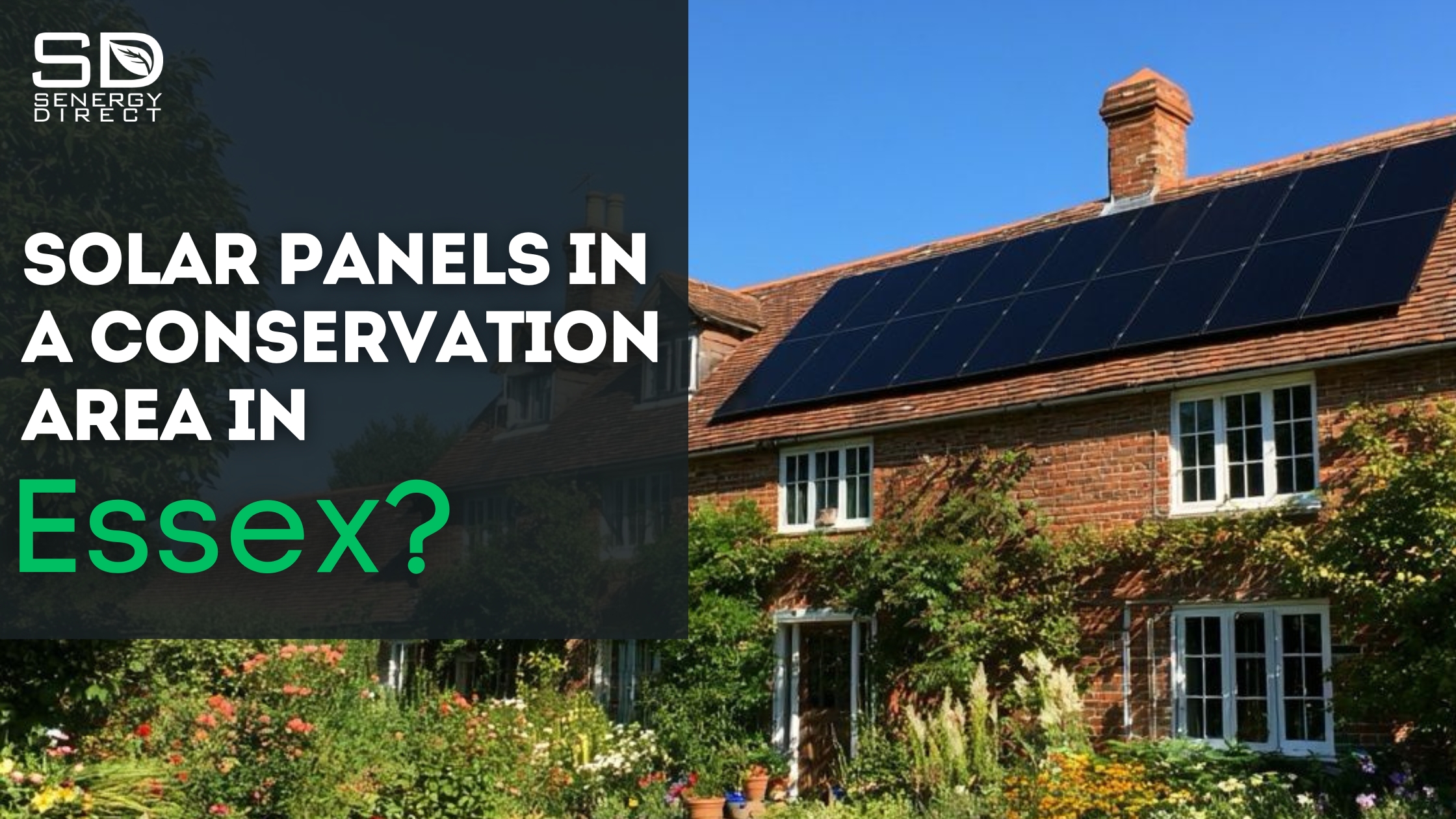
Senergy Direct – Essex’s local solar specialists – explain exactly what the planning rules mean for your property, and why the answer is often yes.
Living in a conservation area in Essex is something to be proud of. Whether your home sits in the medieval streetscape of Saffron Walden, the Constable Country village of Dedham, the historic waterfront of Wivenhoe, or one of the many other designated areas that reflect Essex’s extraordinary built heritage, conservation area status is a mark of the special character of where you live. But for homeowners who want to install solar panels, it can also feel like a planning obstacle that makes solar impossible. In most cases, it does not.
The planning rules that apply to solar panels in Essex conservation areas are more nuanced — and more permissive — than most people assume. In the majority of cases, solar panels on a non-highway-facing roof slope can be installed under permitted development, without any planning application. Even where planning permission is required, applications for well-designed solar installations on conservation area properties are regularly approved by Essex councils. And for the most sensitive situations, low-profile technology options make solar viable on properties where standard panels would not be appropriate.
In this guide, Senergy Direct — an MCS-certified solar installer based in Basildon with over ten years of experience across Essex, including in conservation areas and on heritage properties — explains exactly how the planning rules work, what they mean for your specific situation, and how to find out quickly whether solar is an option for your home.
In This Guide We Answer:
- The Short Answer – and Why So Many Essex Homeowners Assume the Wrong Thing
- What Is a Conservation Area — and Which Parts of Essex Are Affected?
- How Permitted Development Rights Work for Solar Panels in Conservation Areas
- The Highway-Facing Rule: the Most Important Planning Distinction to Understand
- What Is an Article 4 Direction — and Does Your Essex Conservation Area Have One?
- When You Do Need Planning Permission — and What the Process Looks Like
- In-Roof Solar Systems and Solar Roof Tiles: the Low-Visibility Alternatives
- What About Listed Buildings in Essex — Is Solar Still an Option?
- How to Check Your Property’s Planning Status Before You Commit to Anything
- How Senergy Direct Helps Essex Homeowners in Conservation Areas Go Solar
1. The Short Answer – and Why So Many Essex Homeowners Assume the Wrong Thing
Yes – in the majority of cases, you can install solar panels on a property in a conservation area in Essex. That surprises a lot of people. The assumption that conservation area status automatically rules out solar panels is one of the most common misconceptions Senergy Direct encounters when speaking with Essex homeowners, and it stops a significant number of people from even starting the conversation about solar. It is an understandable assumption — conservation areas are associated in most people’s minds with strict restrictions and difficult planning processes — but in the context of solar panels, it is usually wrong.
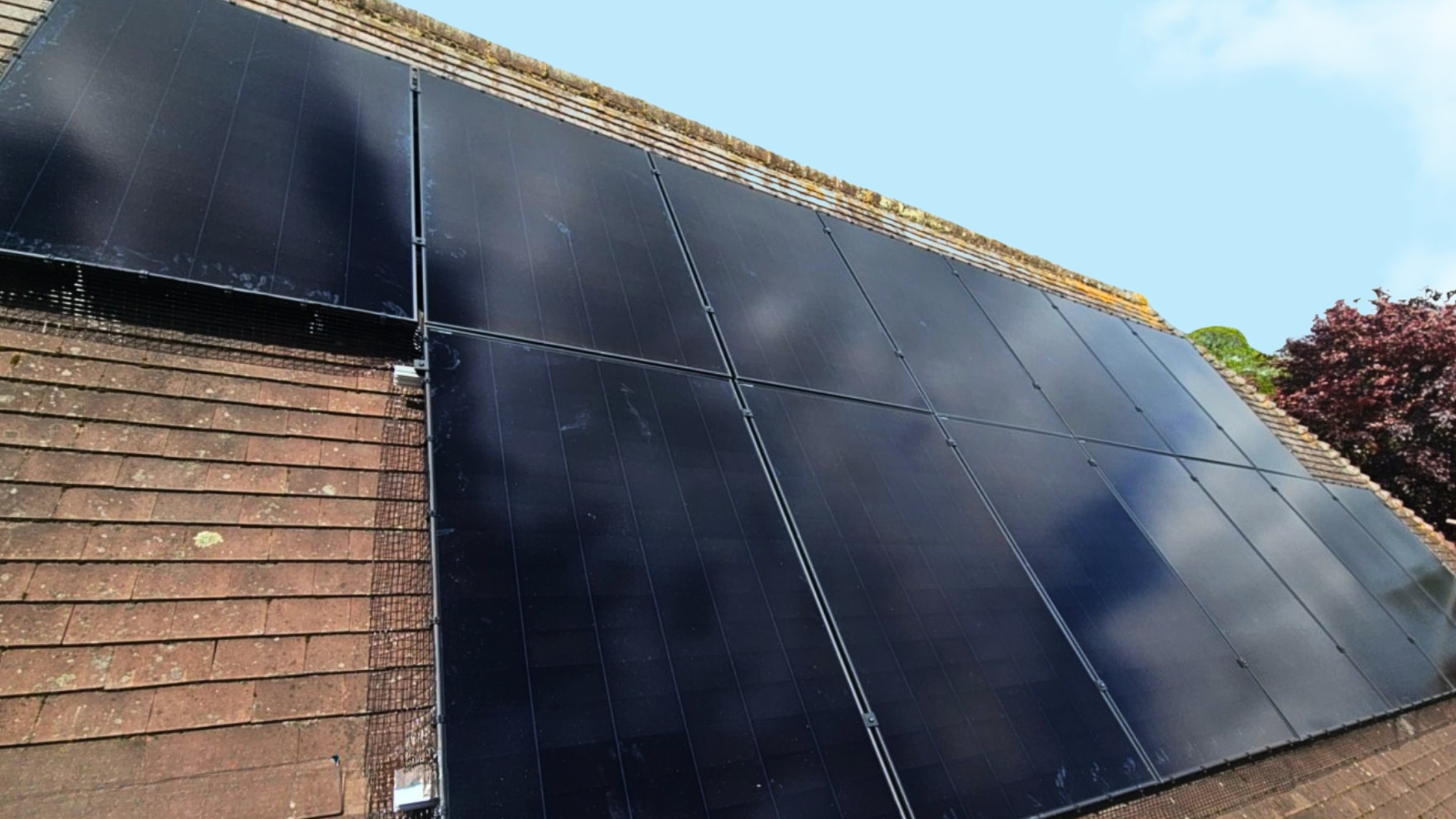
The reality is more nuanced and considerably more encouraging. Conservation area status does not remove your right to install solar panels. What it does is place conditions on where and how those panels can be installed, and in some specific circumstances it requires you to seek planning permission rather than proceed under permitted development rights. Understanding those conditions clearly — rather than assuming the worst — is the starting point for any Essex homeowner in a conservation area who wants to explore solar.
Senergy Direct has been installing solar panels across Essex, including in conservation areas and on heritage properties, for over ten years from its Basildon base. This guide explains the planning rules that apply in conservation areas, the specific conditions relevant to Essex, and how to establish quickly and confidently whether your property qualifies for solar under permitted development — or what the planning application process involves if it does not.
| Senergy Tip | Before assuming solar is impossible on your conservation area property, contact Senergy Direct for an initial assessment. In the majority of cases, an experienced installer can tell you within a short conversation whether your installation is likely to fall under permitted development or require a planning application — saving you weeks of uncertainty and allowing you to move forward with confidence. |
2. What Is a Conservation Area — and Which Parts of Essex Are Affected?
A conservation area is a designated area of special architectural or historic interest, the character or appearance of which it is desirable to preserve or enhance. Conservation area designation was introduced under the Civic Amenities Act 1967 and is now governed by the Planning (Listed Buildings and Conservation Areas) Act 1990. Local planning authorities — in Essex, this means the district and borough councils — have the power to designate conservation areas within their boundaries and are responsible for their management.
As of 2025, there are more than 11,300 conservation areas in England, together covering more than 2.2% of the country. Essex has a particularly rich heritage landscape, and the county contains a substantial number of designated conservation areas spread across its fourteen district and borough councils. Essex is home to over 14,000 listed buildings and numerous conservation areas that reflect its varied historic character — from medieval wool towns and Tudor market centres to Georgian terraces and Victorian seaside settlements.
Essex’s Conservation Areas — a Diverse Heritage Landscape
Essex’s conservation areas encompass a remarkable variety of historic environments. In the north of the county, Saffron Walden — one of England’s best-preserved medieval market towns — has an extensive conservation area covering its historic core, with streets lined with timber-framed buildings, pargeted plasterwork, and a spectacular late-medieval church. Thaxted, with its medieval Guildhall and magnificent parish church, is another north Essex conservation area of considerable architectural significance.
In the Colchester area, the Dedham Vale — which straddles the Essex–Suffolk border and was designated an Area of Outstanding Natural Beauty (now National Landscape) — contains the historic village of Dedham, associated with the paintings of John Constable. Wivenhoe, on the Colne estuary, is another designated conservation area in the Colchester district. Colchester itself — Britain’s oldest recorded town — has its own town centre conservation area reflecting its Roman, Norman, and later historic character.
Further south and west, conservation areas can be found in many of Essex’s historic market towns and villages — from Maldon on the Blackwater estuary to Ingatestone, Great Dunmow, Stansted Mountfitchet, and numerous smaller settlements across the county. The point is that conservation area designation in Essex is widespread, and many thousands of homeowners across the county live within one without necessarily being fully aware of the planning implications.
How to Find Out If Your Property Is in a Conservation Area
The simplest way to establish whether your Essex property falls within a conservation area is to use your local district or borough council’s online planning map or heritage portal. Most Essex councils maintain interactive GIS maps that allow you to enter a postcode or address and see immediately whether a property sits within a conservation area boundary. Alternatively, Senergy Direct can check conservation area status as part of their initial property assessment for any Essex address.
| Senergy Tip | Conservation area boundaries do not always follow obvious geographical or street-level logic. A row of houses on one side of a street can be within a conservation area whilst those on the other side are not. Always check the actual conservation area boundary map for your specific address rather than assuming your property is included or excluded based on the general character of your neighbourhood. |
3. How Permitted Development Rights Work for Solar Panels in Conservation Areas
Permitted development rights are a set of planning permissions granted automatically by national legislation under the Town and Country Planning (General Permitted Development) (England) Order 2015, allowing homeowners to carry out certain types of development without needing to apply for planning permission from their local authority. Solar panel installation on domestic properties is covered by permitted development rights, but those rights are modified — not removed — in conservation areas.
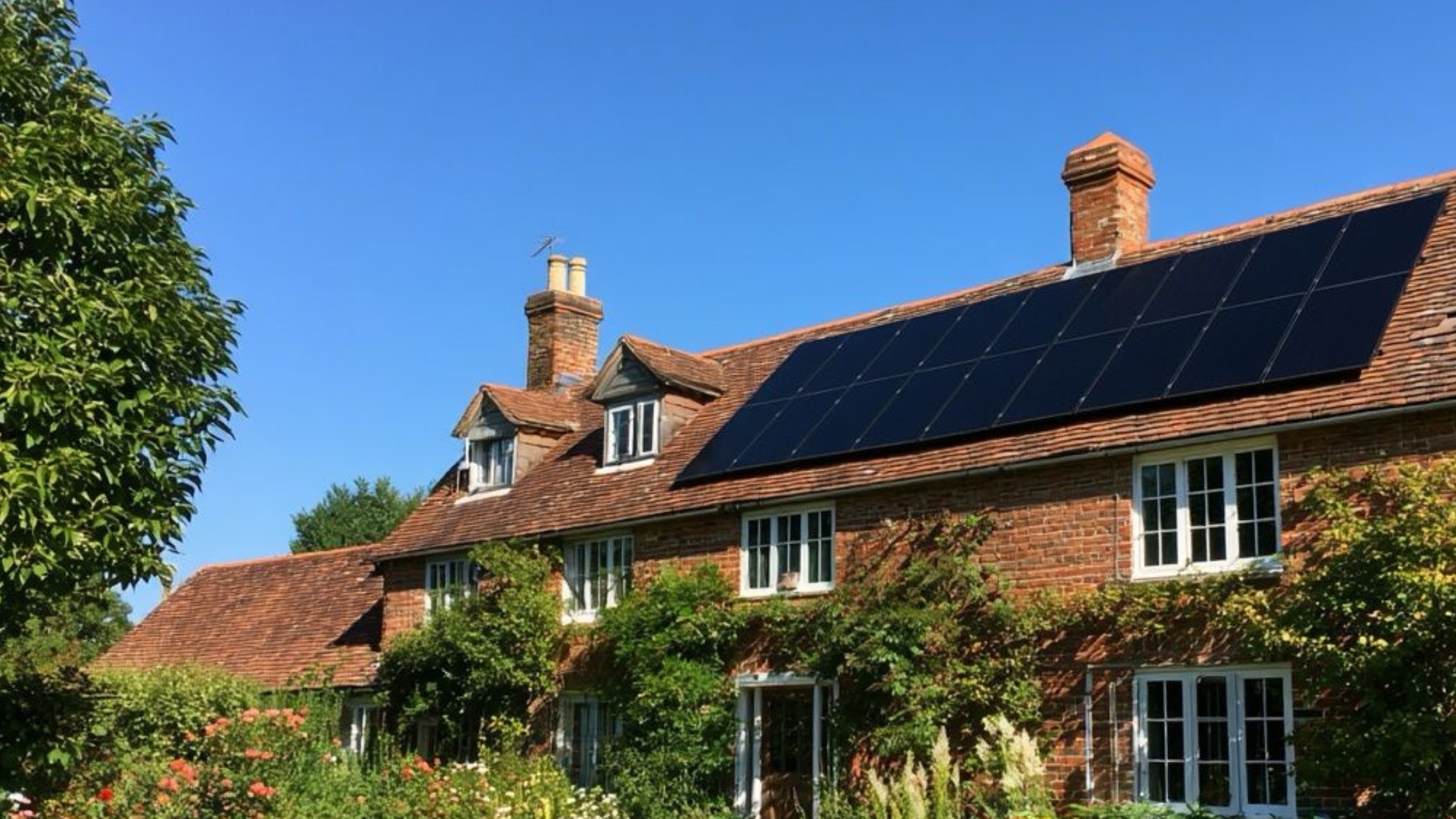
For properties in conservation areas, the key modification to standard permitted development rights for solar panels is straightforward: panels must not be installed on a wall or roof slope that fronts a highway. In plain English, this means that solar panels visible from the public road — typically on the front of the house — require planning permission in a conservation area, whilst panels on the rear or a side elevation not facing a highway can typically be installed under permitted development without any planning application.
The Standard Permitted Development Conditions
In addition to the conservation area-specific highway-facing restriction, solar panels on all domestic properties — including those in conservation areas — must meet the following conditions to qualify as permitted development: panels must not protrude more than 200mm from the roof slope on a pitched roof; on a flat roof, panels must not exceed 600mm above the existing roof surface; panels must not be installed higher than the highest part of the roof (excluding the chimney); and the installation must, so far as practicable, minimise its effect on the appearance of the building and the area.
These conditions are designed to ensure that solar panels are installed in a way that is as unobtrusive as possible — a principle that aligns with the broader conservation objective of preserving the character and appearance of the area. In practice, modern low-profile panels installed flush with the roof slope on a rear elevation satisfy these conditions comfortably, which is why the majority of conservation area solar installations do not require a planning application.
What “Fronting a Highway” Actually Means
The phrase “fronting a highway” is central to the conservation area solar planning rules, and it is worth understanding precisely. A highway includes any public road, footpath, bridleway, or other publicly maintainable highway. A wall or roof slope “fronts a highway” if it faces directly onto that highway — meaning it is visible from the street. This does not just mean the front of the house; a side elevation that faces directly onto a public road or footpath also counts as highway-facing for these purposes.
Conversely, a rear roof slope that is not visible from any public highway does not front a highway — even if the garden backs onto a public space. The test is visibility from the highway, not proximity to it. For many semi-detached and terraced properties in Essex conservation areas, this means that rear-slope solar panels are fully permitted development, even where a front-slope installation would require planning permission.
| Senergy Tip | For properties in Essex conservation areas with suitable rear or side roofs not facing a highway, the planning path to solar installation is the same as for any standard domestic property — permitted development, no planning application required. Senergy Direct will confirm this for your specific property at the outset, so you know before any detailed survey work begins whether you are in straightforward permitted development territory. |
4. The Highway-Facing Rule: the Most Important Planning Distinction to Understand
The single most important planning distinction for solar panels in Essex conservation areas is whether the panels would be visible from a public highway. This rule effectively divides conservation area solar installations into two categories: those where permitted development applies (rear and non-highway-facing installations) and those where a planning application is required (front and highway-facing installations). Getting clarity on which category your proposed installation falls into is the first practical step for any conservation area homeowner.
For detached and semi-detached houses in Essex conservation areas, the position is often straightforward. If the property has a suitable rear roof slope — south-facing or east/west-facing with reasonable solar access — panels installed there are typically permitted development. The front of the house, facing the street, would require planning permission. Many homeowners never need to go through a planning application at all, because the rear of their property is entirely adequate for a well-performing solar installation.
Terraced Houses and Properties with No Rear Roof Access
The position is more complex for terraced houses, properties where the roof geometry means the only suitable solar aspect faces the highway, or properties in dense historic town centres where even the rear may be visible from a public thoroughfare. In these cases, a planning application is likely to be required, and the question becomes whether that application is likely to be granted.
It is important not to assume a planning application will be refused simply because the property is in a conservation area. Many planning applications for solar panels in conservation areas across England are approved, particularly where the installation uses low-profile or in-roof systems, or where the panels are not prominently visible from the principal street elevation. The planning officer will weigh the heritage impact of the panels against the public benefit of renewable energy generation — and that balance has shifted noticeably in favour of solar approval in recent years.
The “Minimise Effect” Condition
Even for permitted development solar installations in conservation areas, the condition that panels must “so far as practicable minimise their effect on the appearance of the building and the area” gives local planning authorities a degree of leverage to take enforcement action if a permitted development installation is considered unduly harmful to the conservation area’s character. In practice, this condition is rarely invoked against standard flush-mounted roof installations on rear elevations, but it is a reason to choose a reputable installer who understands how to install panels in a way that satisfies both the technical and aesthetic requirements of conservation area properties.
| Senergy Tip | If your conservation area property has a rear roof slope with reasonable solar access, even if it faces east or west rather than due south, it is almost certainly worth pursuing. East and west-facing installations generate around 15–20% less than an equivalent south-facing system, but they remain financially worthwhile — and avoiding the need for a planning application by using the rear elevation is a significant practical advantage. Senergy Direct will assess your roof’s solar potential from all available aspects before making a recommendation. |
5. What Is an Article 4 Direction — and Does Your Essex Conservation Area Have One?
An Article 4 Direction (A4D) is an instrument that allows a local planning authority to remove specified permitted development rights from a defined area. They are named after Article 4 of the Town and Country Planning (General Permitted Development) (England) Order 2015, which grants local authorities this power. When an Article 4 Direction is applied to a conservation area, it can remove the permitted development rights that would otherwise allow solar panels on rear or non-highway-facing roof slopes to proceed without a planning application.
Article 4 Directions are not universal — they apply only where a local authority has specifically made and confirmed one. The existence of a conservation area does not automatically mean an Article 4 Direction is in place. Many Essex conservation areas have no Article 4 Direction at all, meaning permitted development rights for solar panels on non-highway-facing elevations remain fully intact. Others have Article 4 Directions that remove a range of permitted development rights — sometimes including solar panels, sometimes focused on other types of change such as alterations to windows or doors.
How to Check for an Article 4 Direction
The presence or absence of an Article 4 Direction affecting your property should be identifiable through your local district or borough council’s planning department or their online planning portal. Some councils publish lists of Article 4 Directions on their websites; others require a formal planning enquiry. Historic England also maintains national records of Article 4 Directions, though the most reliable and up-to-date information will always be from your local authority.
Senergy Direct checks for Article 4 Directions as a standard part of their pre-installation planning assessment for every Essex property. Where an A4D is confirmed, they will advise on what it covers, whether solar panels are specifically restricted, and what the planning application process involves for your particular situation.
Article 4 Directions and Solar: the Practical Effect
Where an Article 4 Direction does apply and removes permitted development rights for solar panels, it does not mean solar is impossible — it means a planning application is required for any installation on the property, regardless of which elevation the panels are on. This is a more significant hurdle than the straightforward highway-facing restriction, but it is not insurmountable. Many planning applications for solar panels in Article 4 Direction areas are approved, particularly where the application is supported by a well-prepared heritage impact statement and the installation uses appropriately discreet technology.
| Senergy Tip | Do not assume an Article 4 Direction is in place simply because you live in a conservation area — the majority of Essex conservation areas do not have blanket Article 4 Directions removing solar permitted development rights. Checking this specific point before proceeding takes very little time and can save weeks of unnecessary delay. Senergy Direct makes this check as a matter of course for every conservation area property they survey. |
6. When You Do Need Planning Permission — and What the Process Looks Like
If your Essex conservation area property requires planning permission for solar panels — either because the panels would face a highway or because an Article 4 Direction is in place — the process is more involved than a straightforward permitted development installation, but it is a process that many Essex homeowners successfully navigate each year. Understanding what it involves removes much of the anxiety that surrounds the planning application route.
A planning application for solar panels on a conservation area property is typically a full householder planning application, submitted to the relevant Essex district or borough council. The application must include a description of the proposed works, a site location plan, photographs of the existing property, drawings showing the proposed installation, and — for conservation area properties — a heritage impact assessment or design and access statement explaining how the installation respects and responds to the character of the conservation area.
The Heritage Impact Assessment
The heritage impact assessment is the most important document in a conservation area solar planning application. It should explain what the conservation area’s significance and character consists of, how the proposed solar installation relates to that character, what steps have been taken to minimise the visual impact of the panels (including choice of technology, colour, and mounting system), and why the public benefit of renewable energy generation justifies any residual impact on the conservation area’s character.
A well-prepared heritage impact assessment significantly improves the prospects of a successful planning application. Senergy Direct works with heritage consultants and conservation architects who have experience preparing these documents for Essex properties, and they can guide customers through this part of the process where it is needed.
What Planning Officers Look For
Essex planning officers assessing solar applications in conservation areas will typically consider: whether the panels are visible from public viewpoints and, if so, how prominent they are; whether the installation preserves or harms the character and appearance of the conservation area; whether the technology chosen (standard panels, in-roof panels, or solar tiles) is appropriate for the building and its setting; and whether the public benefit of the renewable energy generation outweighs any harm to heritage significance. National planning policy supports renewable energy development, and planning officers are increasingly required to weigh this support in the balance against heritage concerns.
How Long Does It Take?
Householder planning applications in England are typically determined within eight weeks of validation. For more complex conservation area applications where the council consults Historic England or its own conservation officer, determination can take ten to twelve weeks. Pre-application advice — a paid service offered by most Essex councils — can reduce the risk of refusal by establishing the planning officer’s likely position before a formal application is submitted, and Senergy Direct recommends this route for any conservation area application where the heritage impact is not straightforward.
| Senergy Tip | If planning permission is required for your Essex conservation area solar installation, do not be deterred by the process. Senergy Direct has supported successful planning applications for solar panels on conservation area properties across Essex. The key is a well-prepared application that addresses the heritage considerations directly and honestly — not one that tries to minimise or avoid them. A transparent, thoughtful application is far more likely to succeed than one that treats the conservation area designation as an obstacle to navigate around. |
7. In-Roof Solar Systems and Solar Roof Tiles: the Low-Visibility Alternatives
One of the most effective ways to address heritage concerns about solar panels in a conservation area — both for permitted development installations where the “minimise effect” condition applies and for planning applications where visual impact is a key consideration — is to specify an installation technology that is significantly less visually prominent than standard on-roof panel mounting.
Two technologies in particular are relevant for conservation area properties in Essex: in-roof solar systems and solar roof tiles. Both offer substantially lower visual profiles than conventional solar panels mounted on brackets above the existing roof surface, making them far more sympathetic to the character of historic properties and conservation area streetscapes.
In-Roof Solar Systems
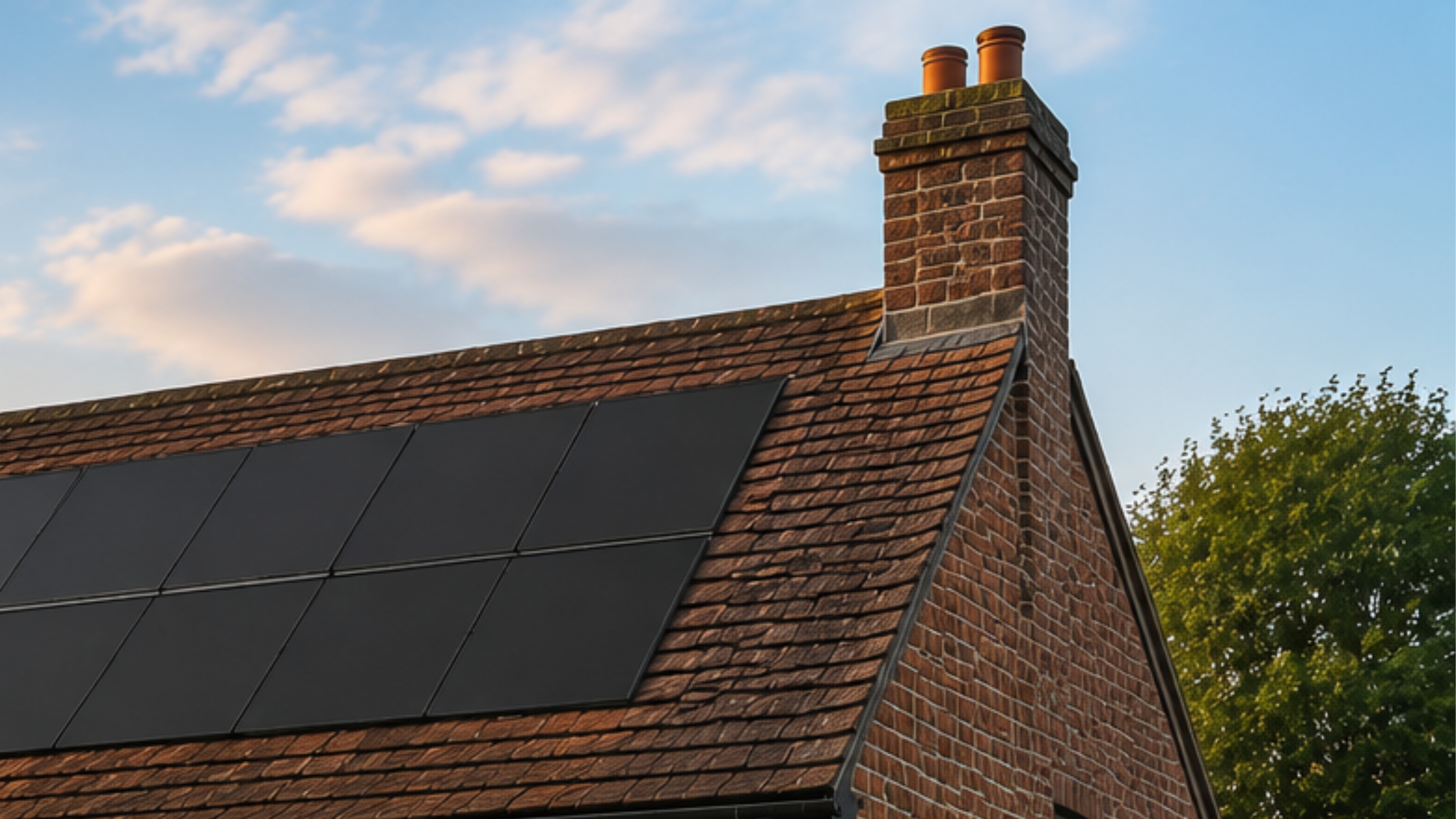
An in-roof solar system replaces a section of the existing roof covering with a purpose-designed mounting system that sits flush with — or very slightly proud of — the surrounding tiles or slates. Rather than panels mounted on brackets 200mm above the roof surface, in-roof panels are integrated into the roof plane itself, creating a much cleaner and less prominent visual profile. The panels typically sit only 10–20mm above the roof plane, compared to 150–200mm for a standard on-roof installation.
In-roof systems are generally more expensive than standard on-roof installations — both the components and the installation labour carry a premium — but they offer a visually discreet solution that is well-suited to conservation area properties. Where a planning application is required, specifying an in-roof system in the application can significantly improve the prospects of approval by demonstrating that heritage impact has been actively minimised.
Colour and Finish Considerations
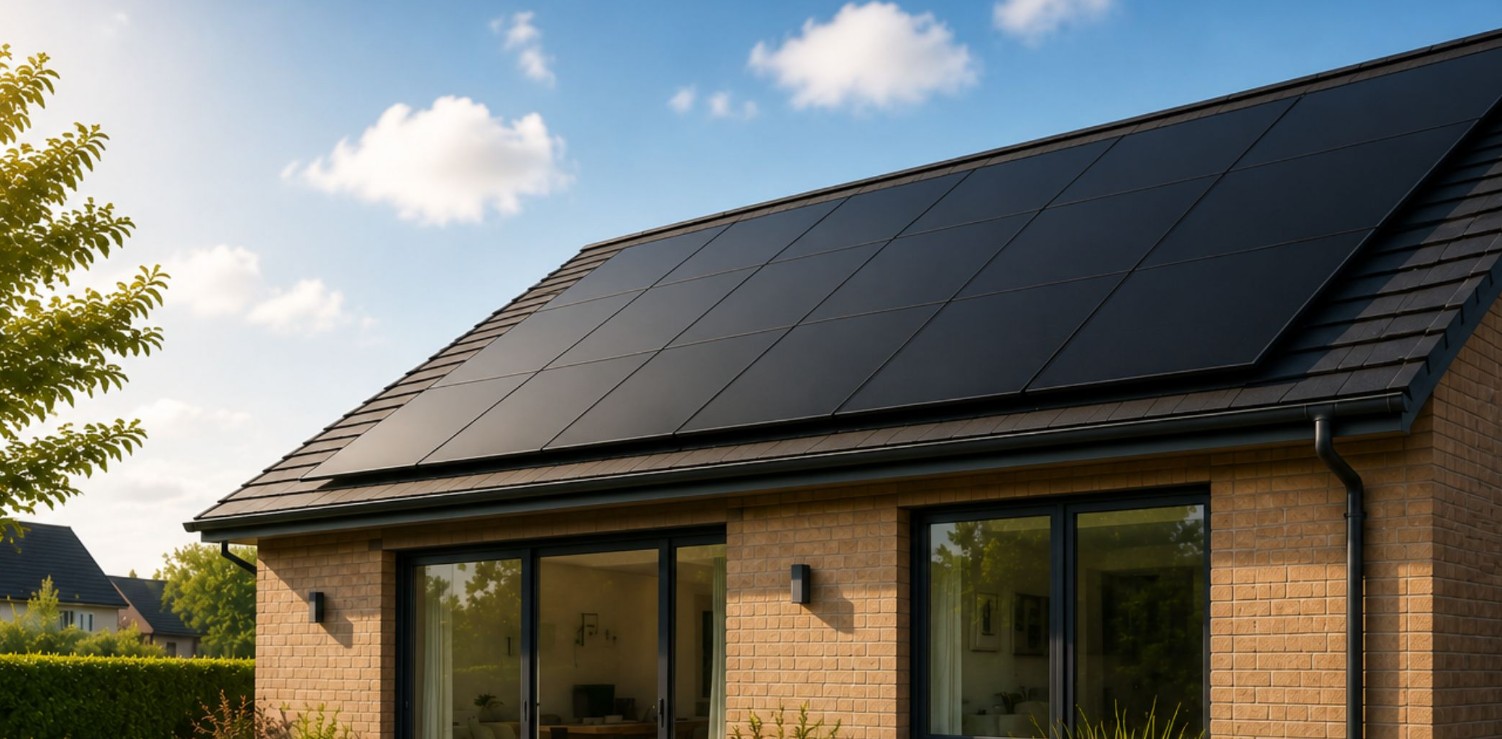
Beyond the mounting system, the appearance of solar panels in a conservation area context can be further optimised through careful choice of panel colour and finish. All-black panels — which lack the silver metallic cell grid lines visible on standard panels — present a significantly more uniform and less industrial appearance than conventional panels when viewed from street level. For conservation area properties where panels are visible but permitted, specifying all-black panels can make a meaningful difference to how the installation is perceived, both by planning officers and by neighbours.
| Senergy Tip | If you are considering a planning application for solar panels on a highway-facing elevation in an Essex conservation area, the choice of installation technology can be the difference between approval and refusal. Senergy Direct always recommends specifying the least visually intrusive appropriate technology for any conservation area application, and they can demonstrate the visual difference between standard on-roof, in-roof, and solar tile systems using imagery to help you and the planning officer visualise the proposed installation before a decision is made. |
8. What About Listed Buildings in Essex — Is Solar Still an Option?
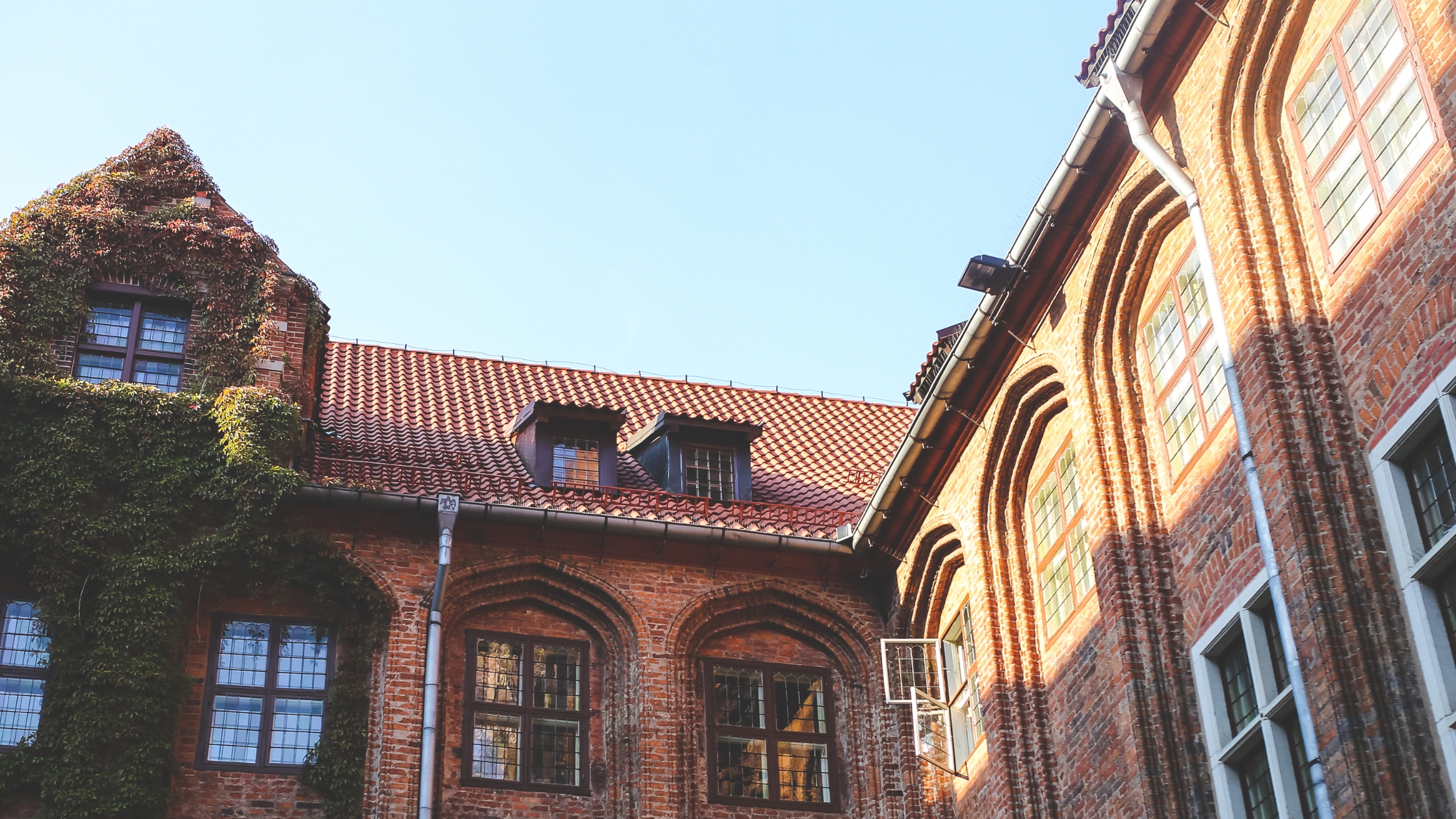
Listed buildings occupy a more complex planning position than standard properties in conservation areas. Essex has over 14,000 listed buildings — a figure that reflects the county’s extraordinarily rich historic built environment, from Roman walls in Colchester and Norman castles to Tudor manor houses, Georgian town houses, and Victorian mills. If your property is listed, the planning considerations for solar panels are distinct from — and more restrictive than — those that apply to unlisted properties in conservation areas.
For a listed building, any works that affect the character of the building as a structure of special architectural or historic interest require listed building consent in addition to any planning permission that may be needed. Importantly, permitted development rights do not apply to listed buildings in the same way they do to unlisted properties — which means solar panels on a listed building almost always require both listed building consent and, where the installation would be visible from a highway, full planning permission.
Listed Building Consent — What It Involves
Listed building consent is a separate application process from planning permission, made to the local planning authority. It requires the applicant to demonstrate that the proposed works — in this case, the solar installation — will not harm the special architectural or historic interest of the listed building. For Grade I and Grade II* listed buildings (the most significant categories), Historic England will be a statutory consultee on any listed building consent application, and the prospects of approval for a highly visible solar installation on the principal elevation of such a building are limited.
Grade II listed buildings — which represent the vast majority of listed buildings in Essex — are assessed locally by the district or borough council’s conservation officer. The prospects of listed building consent for a solar installation on a Grade II building depend heavily on the individual building’s significance, the nature of the proposed installation, and the skill of the application in demonstrating that heritage harm has been minimised. It is not impossible, but it requires careful planning and an experienced installer who understands the heritage landscape.
Where Solar Is Most Viable on Listed Buildings
The most viable position for solar panels on a listed building in Essex is typically a rear or outbuilding roof slope that is not directly visible from the public realm and does not affect the most historically significant fabric of the building. A Victorian extension, a modern addition, or an outbuilding within the curtilage of a listed property may offer solar opportunities that are significantly more achievable from a planning perspective than panels on the principal historic elevation.
Ground-mounted solar installations in the grounds or garden of a listed property may also offer a planning-viable alternative to roof-mounted panels, subject to the listed building curtilage rules and the specific character of the property and its setting. Senergy Direct assesses all viable solar options for listed building customers before advising on the most appropriate planning strategy.
| Senergy Tip | If your Essex property is listed, do not proceed with any solar installation — even on a rear elevation — without first confirming whether listed building consent is required. Carrying out works to a listed building without consent is a criminal offence, and enforcement can require the removal of the installation at the owner’s expense. Senergy Direct checks listing status for every property they survey and will identify the consent requirements before any work begins. |
9. How to Check Your Property’s Planning Status Before You Commit to Anything
Before investing time and money in a solar survey, equipment quotes, or a planning application, it is worth spending a few minutes establishing the planning status of your Essex property. This preliminary check can be done largely from your desktop and will tell you quickly whether you are in straightforward permitted development territory, whether a planning application is likely to be needed, or whether listed building consent adds an additional layer of complexity.
The three key pieces of information to establish are: whether your property is within a conservation area, whether it is a listed building or within the curtilage of a listed building, and whether an Article 4 Direction applies to your location that affects solar permitted development rights.
Checking Conservation Area Status
Your local Essex district or borough council will have an online planning portal or GIS mapping tool that allows you to search by address and see heritage designations including conservation area boundaries. Alternatively, the Historic England National Heritage List for England (NHLE) and PlanX portals allow address-level searches for most designation types. Senergy Direct can also run this check on your behalf as part of any initial enquiry.
Checking Listed Building Status
The Historic England National Heritage List for England is the definitive source for listed building status in Essex. You can search by address at historicengland.org.uk to establish whether your property or any adjacent property is listed, and what grade it holds. The listing entry will also describe the extent of the listing, which is relevant because the curtilage of a listed building — the land and outbuildings historically associated with it — can also be affected by listed building consent requirements.
Checking for Article 4 Directions
Article 4 Directions are held by the local planning authority and should be accessible through your council’s planning department or website. Some councils publish Article 4 Direction maps online; others require a direct enquiry. If in doubt, a pre-application enquiry to your local planning authority will clarify what, if any, Article 4 Directions apply to your address and what permitted development rights they affect.
Using Senergy Direct’s Planning Assessment
For Essex homeowners who prefer a single, straightforward route to establishing their planning position, Senergy Direct offers a planning assessment as part of their standard property survey process. Their team checks all relevant designation databases, confirms the applicable planning rules for the specific address, and advises on the most appropriate path to installation — whether that is straightforward permitted development, a planning application, or a conversation about technology choices to maximise the prospects of approval.
| Senergy Tip | It is always better to establish planning status before commissioning a detailed solar survey or requesting a full equipment quotation. If a planning application is needed, the application itself may specify particular technology requirements (in-roof panels, for example, rather than standard on-roof mounting) that would affect the survey findings and the equipment quote. Getting the planning position clear first means the subsequent survey and quotation process is more efficient and more accurately targeted. |
10. How Senergy Direct Helps Essex Homeowners in Conservation Areas Go Solar
Senergy Direct has been helping Essex homeowners navigate the specific challenges of solar installation in conservation areas and on heritage properties for over a decade. Their local knowledge of Essex’s planning landscape — the conservation areas, the Article 4 Directions, the individual planning authorities’ approaches, and the conservation officers who assess applications across the county’s fourteen districts and boroughs — means they can advise with a level of local specificity that a national installer working remotely simply cannot match.
For every Essex homeowner in a conservation area who contacts Senergy Direct, the process begins with a clear, honest assessment of the planning position. That assessment identifies whether the proposed installation falls under permitted development, requires planning permission, or needs listed building consent. It sets out the options available — including the choice of installation technology — and gives the homeowner a realistic picture of the path to solar before any financial commitment is made.
Supporting Planning Applications
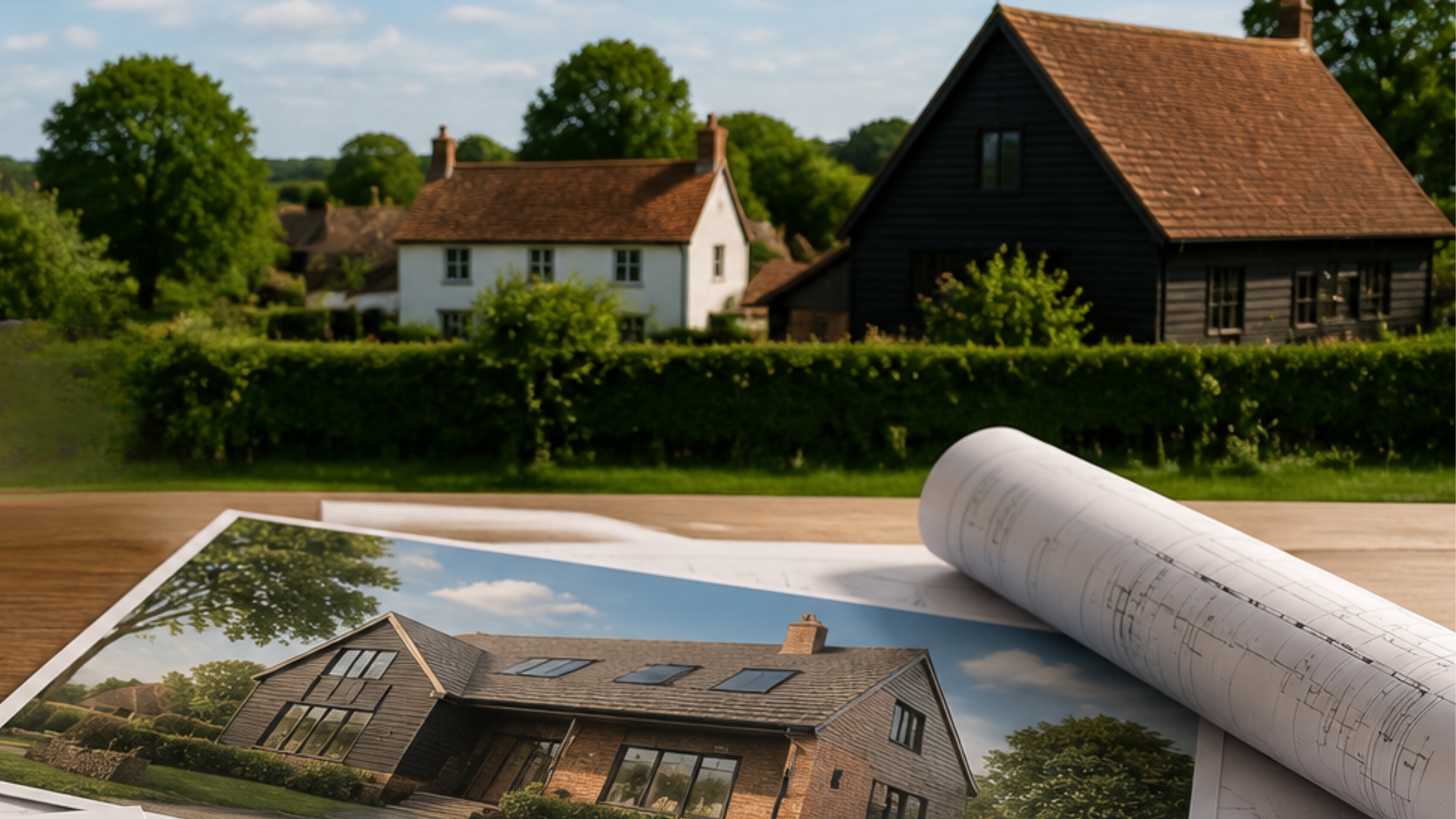
Where a planning application is required, Senergy Direct does not leave customers to manage the process alone. Their team advises on the preparation of the application, the specification of appropriate technology, and the content of any heritage impact statement or design and access statement. They work with trusted heritage consultants and conservation architects where the application requires specialist heritage input, and they have an established track record of successfully supporting conservation area solar applications across Essex councils including Braintree, Chelmsford, Colchester, Uttlesford, and others.
Choosing the Right Technology for Heritage Properties
Senergy Direct’s experience with conservation area installations means they understand which solar technologies are most appropriate for different types of historic property. They specify in-roof systems, all-black panels, and solar tiles where the visual impact of a standard installation would be a concern, and they can demonstrate the visual difference between options using imagery before any commitment is made. The goal is always to find the most financially effective and visually appropriate solution for the specific property — not to propose a one-size-fits-all installation that may not suit a heritage building.
From Initial Enquiry to Completed Installation
The Senergy Direct process for conservation area properties runs from initial planning assessment through site survey, technology recommendation, planning application support where needed, installation, and post-installation monitoring. At every stage, the customer knows exactly where they stand and what comes next. For Essex homeowners who have spent months or years assuming that solar was not an option for their heritage property, the discovery that it is — and that a trusted local installer can guide them through the process from beginning to end — is often the most significant moment in the whole journey.
| Senergy Tip | The most common thing Essex conservation area homeowners say after a Senergy Direct initial consultation is that they wish they had made the call sooner. Do not let the assumption that planning rules make solar impossible stop you from finding out what is actually possible for your specific property. A conversation costs nothing, and in the majority of cases, the answer is considerably more encouraging than you might expect. |
Find Out If Solar Is an Option for Your Essex Conservation Area Property
Senergy Direct offers a no-obligation planning assessment for every Essex property they survey — confirming conservation area status, listing status, Article 4 Directions, and the applicable permitted development rules before any survey or equipment cost is incurred. If a planning application is needed, they support the process from start to finish.
Get in touch with Senergy Direct today for an initial conversation about your property. As Essex’s local solar specialists with over ten years of experience across the county — including in conservation areas and on heritage properties — their team will give you an honest, knowledgeable answer about what is possible for your home.
Frequently Asked Questions
Here are the questions Essex conservation area homeowners ask Senergy Direct most often about solar panels — with clear, practical answers.
Do I Automatically Need Planning Permission If I Live in a Conservation Area in Essex?
No. Conservation area status does not automatically require planning permission for solar panels. In most Essex conservation areas, permitted development rights still apply for solar panels on rear or non-highway-facing roof slopes. Planning permission is only required where the panels would be on a wall or roof slope that faces a public highway, or where an Article 4 Direction has removed the relevant permitted development rights. Many Essex conservation area homeowners can install solar panels without any planning application at all.
Which Essex Districts Have the Most Conservation Areas?
Conservation areas are designated by each of Essex’s fourteen district and borough councils and are spread widely across the county. Districts with a particularly rich historic character — such as Uttlesford (which includes Saffron Walden and Thaxted), Colchester (which includes Dedham, Wivenhoe, and the historic town centre), Braintree, Chelmsford, and Maldon — tend to have more numerous and extensive conservation areas. The exact number and boundaries change as councils review and extend their designations, so always check with the relevant council for the most current information.
Can I Install Solar Panels on the Rear of My Roof If the Front Faces the Street?
Yes, in most cases. For properties in Essex conservation areas without an Article 4 Direction removing solar permitted development rights, panels on the rear roof slope — which does not face the highway — are typically permitted development. This is the most common scenario for semi-detached and detached houses in Essex conservation areas, and it means a straightforward installation without any planning application. Senergy Direct will confirm the position for your specific property before survey.
What Happens If I Install Solar Panels in a Conservation Area Without Permission?
Installing solar panels without the required planning permission or listed building consent is a breach of planning control. The local planning authority can issue an enforcement notice requiring the panels to be removed at the owner’s expense. For listed buildings, carrying out works without consent is a criminal offence. This is why establishing the planning position before installation — rather than after — is so important. Senergy Direct checks planning requirements for every installation and will not proceed with any work that requires permission that has not been obtained.
Will My Conservation Area Solar Application Be Refused?
Not necessarily. Many planning applications for solar panels in Essex conservation areas are approved, particularly where the installation uses low-profile technology, is not prominently visible from the principal street elevation, and is supported by a well-prepared heritage impact statement. National planning policy supports renewable energy development, and planning officers are required to weigh this against heritage considerations. The outcome depends on the specific property, its location within the conservation area, and the quality of the application.
How Long Does a Planning Application for Solar in a Conservation Area Take?
Householder planning applications in England are typically determined within eight weeks of validation by the local planning authority. For conservation area applications where the council consults its conservation officer or Historic England, determination can take ten to twelve weeks. Pre-application advice — available from most Essex councils for a fee — can help establish the likely planning officer position before a formal application is submitted, reducing the risk of refusal and potentially shortening the overall process.
Do Solar Panels Affect the Value of a Listed or Heritage Property in Essex?
Research consistently shows that solar panels add value to most UK properties — typically estimated at 2–5% of property value. For heritage and conservation area properties, the effect depends on the quality and visual appropriateness of the installation. A well-chosen, discreet in-roof system or solar tile installation that is sympathetic to the building’s character is unlikely to harm — and may enhance — the property’s appeal to buyers who value both heritage character and low running costs. A poorly installed or visually intrusive system could be viewed differently.
Can a Conservation Area Solar Application Be Refused on Purely Aesthetic Grounds?
Yes, in principle — a local planning authority can refuse a solar application in a conservation area if it concludes that the harm to the conservation area’s character and appearance outweighs the public benefit of the renewable energy generation. However, national planning policy is clear that renewable energy should be approved unless there are clear and demonstrable reasons why the harm cannot be justified. Applications that use appropriately discreet technology and are supported by a good heritage impact statement are significantly less likely to be refused on aesthetic grounds.
Are There Any Grants Available for Solar Panels on Heritage Properties in Essex?
Specific grant funding for solar panels on heritage properties is limited in 2026. The Warm Homes: Local Grant scheme, which has operated in Essex, focuses on households with lower incomes and poor energy performance ratings. Historic England’s grant schemes focus primarily on the repair and conservation of listed buildings rather than renewable energy installations. The most broadly applicable financial support for Essex homeowners is the 0% VAT rate on qualifying solar installations and the Smart Export Guarantee, both of which apply to conservation area and heritage properties on the same basis as any other residential installation.
Does Senergy Direct Have Experience Installing Solar in Essex Conservation Areas?
Yes. Senergy Direct is an Essex-based MCS-certified installer with over ten years of experience across the county, including installations in conservation areas and on heritage properties. Their team understands the planning landscape across Essex’s different districts and boroughs, has supported successful planning applications for conservation area solar installations, and is experienced in specifying the most appropriate technology — in-roof systems, all-black panels, solar tiles — for heritage properties. They are the local specialist for this type of installation in Essex.
Disclaimer: This article is intended for general informational purposes only and does not constitute legal or planning advice. Planning rules, permitted development rights, conservation area designations, Article 4 Directions, and listed building consent requirements can change and vary by location. Always confirm the planning requirements for your specific property with your local planning authority or a qualified planning professional before proceeding with any solar installation. Senergy Direct accepts no liability for actions taken or not taken based on the contents of this article.

